If you have ever felt a sudden surge of energy after eating, followed by a sharp crash that leaves you tired, irritable, and craving more food, you have experienced a blood sugar spike firsthand. These spikes are not just uncomfortable — over time, they are linked to insulin resistance, type 2 diabetes, weight gain, chronic inflammation, and even cardiovascular disease. The frustrating truth is that many of the foods responsible for these dangerous glucose surges are everyday staples that most people consider harmless or even healthy.
Understanding which foods trigger rapid blood sugar rises is one of the most powerful steps you can take toward better metabolic health — whether you are managing diabetes, trying to lose weight, or simply want to feel more energetic and focused throughout the day. This guide breaks down 15 of the worst offenders, explains exactly why they spike your glucose, and gives you practical, delicious alternatives so you never feel deprived.
Why Some Foods Spike Blood Sugar So Fast
Before diving into the list, it helps to understand the science. Blood sugar — or blood glucose — rises whenever you eat carbohydrates, because your digestive system breaks them down into glucose, which enters your bloodstream. The speed of this process varies dramatically depending on the type of carbohydrate, how processed it is, and what other nutrients accompany it.
The glycemic index (GI) measures how quickly a food raises blood glucose on a scale of 0 to 100. Foods with a GI above 70 are considered high and cause rapid spikes. However, glycemic load (GL) is an even more useful measure because it accounts for both the GI and the actual amount of carbohydrate in a typical serving. A food can have a high GI but low GL if you eat a small portion — and vice versa.
When blood sugar spikes, your pancreas releases a surge of insulin to bring glucose levels back down. Do this repeatedly — multiple times a day, day after day — and your cells start becoming resistant to insulin’s signal. This is the root mechanism of type 2 diabetes, and it also promotes fat storage, inflammation, and energy crashes. The goal is not to eliminate carbohydrates entirely, but to choose those that release glucose slowly and steadily, keeping your energy levels stable and your insulin response gentle.
1. White Bread and Refined Flour Products
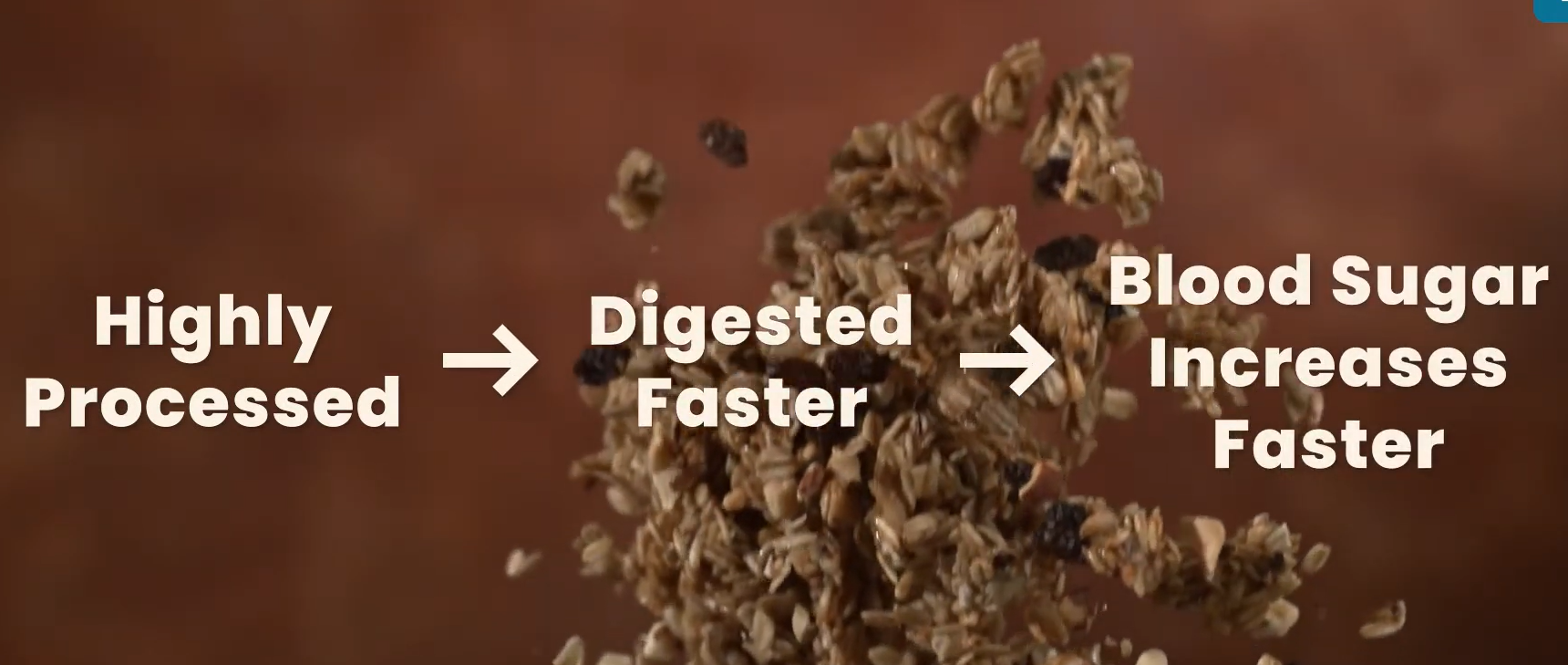
White bread sits at the top of nearly every list of high-glycemic foods, and for good reason. It has a glycemic index of around 75 — higher than table sugar. The reason is simple: white flour is made by stripping whole wheat of its bran and germ, removing almost all of the fiber and most of the nutrients. What remains is a refined starch that your digestive system breaks down almost immediately, flooding your bloodstream with glucose within minutes of eating.
This applies not just to sandwich bread but to bagels, dinner rolls, baguettes, pita wraps, burger buns, and anything else made with refined white flour. Even products labeled “wheat bread” can be misleading — if enriched wheat flour is the first ingredient, it is still a refined product. Look instead for 100% whole grain or sprouted grain breads, where the intact grain structure slows digestion significantly. Sourdough bread, thanks to its fermentation process, is another better option with a lower glycemic response than standard white bread.
2. Sugary Breakfast Cereals
Breakfast is often called the most important meal of the day, but a bowl of popular breakfast cereal may be one of the worst ways to start it if you are watching your blood sugar. Many cereals — including those marketed to children and even some promoted as “heart healthy” — contain 10 to 15 grams of added sugar per serving and are made almost entirely from refined corn or wheat flour. Their GI scores frequently exceed 80.
The problem goes beyond obvious sugar bombs like frosted flakes or chocolate puffs. Even seemingly wholesome options like corn flakes (GI ~81), rice puffs (GI ~82), and bran flakes can cause significant spikes because the grains are so highly processed that their natural structure is destroyed. Look for cereals with at least 5 grams of fiber per serving, minimal added sugar (under 5g), and whole grain listed as the first ingredient. Better yet, replace cereal altogether with eggs, Greek yogurt, or a protein smoothie for a breakfast that keeps your blood sugar stable for hours.
3. Fruit Juice and Sweetened Drinks
Fruit juice is one of the most deceptive foods on this list. It is perceived as healthy and natural — and while it does contain vitamins, it delivers them in the worst possible package for blood sugar management. A glass of orange juice contains roughly the same amount of sugar as a can of soda, but without any of the fiber found in a whole orange. It is that fiber in whole fruit that slows glucose absorption, making an orange a far better choice than a glass of orange juice.
When you drink fruit juice, liquid sugars — primarily fructose and glucose — are absorbed rapidly through the gut wall, causing a sharp and immediate blood sugar spike. The same is true for sweetened lemonade, apple juice, grape juice, and fruit cocktails. Sports drinks and vitamin waters are also frequent culprits, containing 20 to 35 grams of sugar per bottle under the guise of hydration. If you love fruit flavor, eat whole fruit instead, or infuse water with slices of citrus, cucumber, or berries for a refreshing, low-sugar alternative.
4. White Rice
White rice is a dietary staple for billions of people worldwide, but from a blood sugar perspective it behaves very similarly to white bread. When rice is milled to produce the white variety, the outer bran layer and the germ are removed — and with them go the fiber, vitamins, and minerals that would otherwise slow digestion. What remains is essentially pure starch with a glycemic index ranging from 64 to 72 depending on the variety and cooking method.
Interestingly, how you cook and serve rice affects its glycemic impact. Rice that has been cooked and then cooled develops more resistant starch, which is digested more slowly. Eating rice alongside plenty of vegetables, lean protein, and healthy fat also lowers the overall glycemic response of your meal. Better long-term alternatives include brown rice (GI ~50), basmati rice (GI ~52), cauliflower rice, quinoa, or lentils — all of which provide more fiber and nutrients while producing a gentler glucose response.
5. Instant Oatmeal
Oats have a well-earned reputation as a heart-healthy, blood-sugar-friendly food — but that reputation applies specifically to minimally processed oats, not the instant variety. Steel-cut oats and old-fashioned rolled oats are digested slowly because their cell structure remains largely intact. Instant oats, on the other hand, are pre-cooked, dried, and rolled into very thin flakes so they cook in minutes. This processing destroys the fibrous structure that makes oats beneficial, resulting in a significantly higher glycemic index (around 79 versus 57 for steel-cut).
The situation worsens considerably with flavored instant oatmeal packets, which commonly contain 10 to 15 grams of added sugar along with artificial flavors and sweeteners. A packet of maple and brown sugar oatmeal can behave more like a dessert than a nutritious breakfast. The solution is to choose steel-cut or old-fashioned rolled oats, cook them yourself, and sweeten naturally with cinnamon, a small amount of berries, or a drizzle of nut butter. These additions add flavor while actually helping to moderate the glucose response.
6. White Potatoes (Especially Mashed or Baked)
Potatoes are nutritious — they contain potassium, vitamin C, and B vitamins — but their glycemic impact, particularly when prepared in certain ways, is among the highest of any whole food. A baked russet potato has a glycemic index of around 85, and instant mashed potatoes can reach as high as 87. The cooking method matters enormously: boiling potatoes and then cooling them before eating increases resistant starch content and significantly lowers the GI.
Mashing potatoes eliminates that benefit entirely because the physical processing breaks down starch granules, making them even easier to digest quickly. Frying potatoes does not help either — while fat slows digestion slightly, the refined starch base still causes a notable spike, especially in large quantities. Sweet potatoes (GI ~63) are a meaningfully better swap, offering more fiber, beta-carotene, and a gentler glucose response. Serving any potato variety alongside fiber-rich vegetables and a source of protein also helps blunt the spike.
7. Candy, Sweets, and Chocolate Bars
This one is perhaps the least surprising entry on the list, but the mechanism is worth understanding. Candy is essentially concentrated refined sugar — usually a mixture of glucose, sucrose, and high-fructose corn syrup — with little to no fiber, protein, or fat to slow its absorption. This means glucose floods the bloodstream almost immediately after eating, producing one of the sharpest spikes of any food category.
Milk chocolate bars, while containing some fat from cocoa butter and milk solids, still deliver enough sugar to cause significant spikes, especially in the large serving sizes most people actually consume. The notable exception in the chocolate category is dark chocolate with 70% or more cocoa content, which has a much lower sugar content, more fiber, and beneficial polyphenols that may actually improve insulin sensitivity with regular moderate consumption. If you have a sweet tooth, a small square of dark chocolate paired with a handful of nuts satisfies cravings while having a far more modest effect on blood glucose.
8. Soda and Carbonated Sugary Drinks
A standard 12-ounce can of cola contains approximately 39 grams of sugar — almost entirely as high-fructose corn syrup or sucrose — with zero nutritional value and zero fiber to slow its absorption. Because it is in liquid form, it hits the bloodstream even faster than eating an equivalent amount of sugar in solid food. Studies consistently show that regular soda consumption is one of the strongest dietary predictors of type 2 diabetes and insulin resistance.
Diet sodas seem like an obvious solution but carry their own concerns. Although they do not contain sugar, research suggests that artificial sweeteners may still trigger an insulin response in some people and alter gut bacteria in ways that affect glucose metabolism. Carbonated water with a splash of natural juice, herbal iced teas, or black coffee are far better beverage choices for blood sugar stability. If you find plain water boring, sparkling water with citrus slices or a few crushed mint leaves can satisfy the craving for something interesting without any glycemic impact.
9. Packaged Snack Foods (Chips, Crackers, Pretzels)
The snack aisle is a minefield for anyone watching their blood sugar. Potato chips, tortilla chips, rice cakes, pretzels, and flavored crackers are all made primarily from refined starches — white flour, white rice flour, or processed potato starch — and they offer virtually no fiber, protein, or fat to slow glucose absorption. A serving of salted pretzels has a glycemic index of around 83, and rice cakes rank even higher at approximately 87.
Because these foods are also highly palatable, salty, and easy to eat mindlessly, portion control is extremely difficult in practice. Most people consume multiple servings in a single sitting without noticing, dramatically amplifying the glycemic load. The best alternatives are whole food snacks: a small handful of mixed nuts, celery sticks with nut butter, sliced vegetables with hummus, or a boiled egg. These options provide protein and healthy fat that keep you fuller longer and maintain stable blood sugar between meals.
10. Flavored Yogurt
Yogurt is widely promoted as a health food, and plain unsweetened yogurt genuinely deserves that reputation — it is high in protein, beneficial probiotics, and calcium with a minimal effect on blood sugar. Flavored yogurt, however, is a very different product. A single container of strawberry or vanilla yogurt from a major brand can contain 20 to 26 grams of added sugar, often from multiple sources including high-fructose corn syrup, cane sugar, and fruit concentrates. This essentially turns a healthy food into a dessert in disguise.
The fix is straightforward: choose plain Greek yogurt, which is higher in protein and lower in sugar than regular yogurt, and add your own flavorings. A handful of fresh berries, a sprinkle of cinnamon, a few crushed walnuts, or a drizzle of pure vanilla extract gives you a satisfying, flavorful bowl with a fraction of the sugar. When reading labels on any yogurt, look for “total sugars” and “added sugars” separately — naturally occurring milk sugars (lactose) are less concerning than the added varieties.
11. Dried Fruits
Fresh fruit is generally a blood-sugar-friendly snack for most people because its fiber content moderates the rate at which fructose and glucose enter the bloodstream. Dried fruit is an entirely different matter. When water is removed from fruit during the drying process, all of the sugar becomes concentrated into a much smaller, more calorie-dense package. A single cup of raisins contains over 100 grams of sugar — roughly equivalent to eating five to six servings of fresh grapes, an amount almost nobody would eat at once.
Dates, dried cranberries, dried mango, and dried apricots are particularly high in concentrated sugars. Many commercially dried fruits also have added sugar or sweetening syrup applied during processing, making the problem worse. Small amounts of dried fruit mixed into a meal with plenty of fat, fiber, and protein can be managed without dramatic spikes, but eating them as a standalone snack is a reliable way to drive blood glucose up sharply. Fresh berries — blueberries, strawberries, raspberries — are a far better sweet snack option with a genuinely low glycemic load.
12. Energy and Sports Drinks
Energy drinks and sports drinks occupy an interesting marketing position: they are associated with activity, performance, and health, yet most of them are essentially glorified sugar water with added caffeine or electrolytes. A popular energy drink can contain 27 to 54 grams of sugar per can, and even sports drinks designed to “replenish electrolytes” often contain 21 grams of sugar per 12 ounces — comparable to soda.
The caffeine in energy drinks adds another layer of concern. Caffeine in large quantities can raise cortisol levels, which in turn raises blood glucose even without sugar intake. The combination of caffeine and sugar creates a temporary feeling of energy and focus that masks the underlying blood sugar spike, making it easy to consume these drinks habitually without recognizing their impact. Unless you are an endurance athlete exercising intensely for more than 90 minutes, plain water is almost always the superior hydration choice. Coconut water (unsweetened) or electrolyte tablets dissolved in water provide minerals without the sugar load.
13. Pancakes and Waffles (With Syrup)
A classic pancake breakfast combines several blood-sugar-spiking elements in a single meal. The pancake batter is made from refined white flour with minimal fiber, the cooking process produces a rapidly digestible starch, and then the whole thing is drenched in maple syrup or pancake syrup — which adds another 50 to 60 grams of sugar per few tablespoons. Even pure maple syrup, while somewhat more nutritious than corn syrup-based pancake syrup, has a glycemic index of around 54 and is consumed in quantities large enough to matter significantly.
Waffles follow the same pattern. The result is a breakfast that sends blood glucose soaring rapidly, followed by an insulin surge and an energy crash that leaves most people hungry again within two hours. Protein-forward alternatives like eggs with vegetables, Greek yogurt parfaits, or cottage cheese with fruit offer a far more stable start to the day. If you love pancakes occasionally, making them with almond flour or oat flour, adding protein powder to the batter, and topping with fresh berries instead of syrup significantly reduces the glycemic impact.
14. Honey and Agave Nectar
Honey and agave are two sweeteners that occupy a peculiar place in health food culture — they are almost universally regarded as “natural” and therefore healthier alternatives to refined white sugar. This belief deserves scrutiny. Honey has a glycemic index of around 58, compared to table sugar’s 65, which is a modest difference — not enough to make it a safe alternative for people managing blood sugar. A tablespoon of honey still contains about 17 grams of sugar and will spike blood glucose meaningfully in anyone who is insulin resistant.
Agave nectar presents a different problem. It has a deceptively low GI of around 15, which sounds impressive, but this is because it is composed of roughly 85% fructose — and fructose, unlike glucose, is metabolized almost entirely by the liver. High fructose intake is strongly associated with non-alcoholic fatty liver disease, elevated triglycerides, and metabolic syndrome. The liver converts excess fructose to fat, and over time this contributes to insulin resistance even without dramatically spiking blood glucose in the short term. Stevia, monk fruit sweetener, and small amounts of erythritol are better options for those who need a sweet taste without the metabolic cost.
15. Fast Food Burgers and Fried Items
Fast food is the culmination of almost everything on this list appearing simultaneously in one meal. A typical fast food burger delivers a refined white flour bun (high GI), ketchup and sauces loaded with high-fructose corn syrup (hidden sugars), and a portion size that ensures a high glycemic load even if the individual components were lower GI. Add a side of french fries — deep fried refined starch — and a sweetened soda, and you have constructed one of the most reliably blood-sugar-spiking meals possible.
The challenge is that fast food is convenient, affordable, and engineered to be hyper-palatable. Hidden sugars appear in places most people would never suspect: burger sauces, marinades, coleslaw dressing, flavored chicken coatings, and even supposedly savory items like salad dressings. If fast food is unavoidable, smarter choices exist: grilled chicken over fried, lettuce-wrapped burgers to skip the bun, side salads without sweetened dressings, and water or unsweetened iced tea instead of soda. These substitutions meaningfully reduce the glycemic impact without requiring you to skip the meal entirely.
How to Prevent Blood Sugar Spikes After Eating
Avoiding the worst offenders on this list is the most powerful step, but there are additional strategies that help moderate blood sugar responses even when you do eat higher-carbohydrate foods. The most important is pairing: eating carbohydrates alongside fiber, protein, and healthy fat significantly slows gastric emptying and glucose absorption. A plain piece of white bread spikes blood sugar sharply; the same bread eaten as part of a sandwich with turkey, avocado, and lettuce causes a noticeably smaller rise.
Meal timing and portion size both matter. Smaller, more frequent meals tend to produce gentler glucose excursions than large, infrequent ones. Eating slowly and chewing thoroughly gives your digestive enzymes more time to work gradually. A brief walk after eating — even just 10 to 15 minutes — has been shown in multiple studies to significantly reduce post-meal blood sugar spikes by using glucose for muscle activity before it accumulates in the bloodstream. Apple cider vinegar diluted in water before a meal, and adequate sleep and stress management, also contribute to more stable glucose levels over time.
Foods That Lower Blood Sugar Instead
The good news is that for every food on the avoid list, there are equally satisfying alternatives that actively support healthy blood sugar levels. Non-starchy vegetables — broccoli, spinach, kale, zucchini, bell peppers, cucumber — are rich in fiber and micronutrients with virtually no glycemic impact. Legumes like lentils, black beans, and chickpeas provide slow-digesting carbohydrates alongside protein and fiber, making them excellent rice and bread substitutes.
Nuts and seeds — almonds, walnuts, chia seeds, flaxseeds — are among the most blood-sugar-friendly foods available, offering healthy fats and protein with minimal carbohydrate. Fatty fish like salmon and sardines provide omega-3 fatty acids that improve insulin sensitivity. Cinnamon contains compounds shown in clinical research to enhance insulin receptor activity. Fermented foods like kimchi, sauerkraut, and unsweetened kefir support a diverse gut microbiome, which is increasingly recognized as an important factor in glucose metabolism. Building your diet around these foods — rather than the refined and processed options on this list — is the most reliable path to stable, sustainable energy and long-term metabolic health.
Frequently Asked Questions
What food raises blood sugar the fastest? Liquid sugars raise blood glucose the fastest of any food category. Glucose tablets — used medically to treat hypoglycemia — act within 15 minutes. After those, sweetened beverages like soda and fruit juice cause the most rapid spikes, followed by refined grain products like white bread and instant rice. The speed of the rise depends not just on the food but on how much you eat, what else is in your stomach, and your individual metabolic response.
What is a normal blood sugar spike after eating? For someone without diabetes, blood glucose typically peaks between 30 and 60 minutes after eating and returns to baseline within two hours. A post-meal peak below 140 mg/dL (7.8 mmol/L) at the two-hour mark is generally considered within the healthy range. Frequent spikes above 180 mg/dL, even in people not diagnosed with diabetes, are associated with long-term metabolic damage and are worth discussing with a healthcare provider.
Can fruit spike your blood sugar? Whole fruit can raise blood sugar, but for most people the effect is modest because fruit’s natural fiber slows glucose absorption considerably. Berries, apples, pears, and citrus fruits have relatively low glycemic loads and are generally well-tolerated. The bigger concerns are fruit juice (no fiber), dried fruit (concentrated sugar), and very high-sugar fruits like watermelon or overripe bananas eaten in large quantities. People with diabetes or insulin resistance should monitor their individual responses to different fruits rather than avoiding them wholesale.
How quickly does blood sugar rise after eating? The timing depends heavily on what you eat. Liquid sugars can begin raising blood glucose within 10 to 15 minutes of consumption. Refined carbohydrates like white bread and crackers typically peak blood glucose at 30 to 45 minutes. Whole grains, legumes, and foods containing fat and protein cause a more gradual rise that may not peak until 60 to 90 minutes after eating. This is why the composition of a meal — not just the carbohydrate content — matters so much for blood sugar management.
What should I eat if I want to avoid blood sugar spikes? Focus on foods that are high in fiber, protein, and healthy fats while being low in refined carbohydrates. Non-starchy vegetables, eggs, nuts, seeds, fatty fish, legumes, plain Greek yogurt, and low-glycemic fruits like berries are all excellent choices. When eating carbohydrates, choose whole grain or legume-based options over refined ones, keep portions moderate, and always pair them with a source of protein or fat. This combination keeps glucose absorption slow, insulin responses gentle, and energy levels stable throughout the day.
Is honey better than sugar for blood sugar? Only marginally — and not enough to matter in practical terms. Honey has a glycemic index of approximately 58 compared to table sugar’s 65, a difference that is unlikely to be significant when honey is consumed in normal quantities. Agave nectar, while having a very low GI due to its high fructose content, presents serious metabolic concerns related to liver fat accumulation. For people who need to manage blood sugar, it is far more effective to simply reduce overall sweetener use than to swap between different types. Stevia and monk fruit extract are genuinely low-impact options when sweetness is needed.
Blood sugar management is not about perfection or deprivation — it is about making consistently better choices that your body and energy levels will thank you for every single day. The 15 foods on this list are worth minimizing not because they are morally wrong to eat, but because understanding their impact gives you the knowledge to make informed decisions. Replace them gradually with the whole, fiber-rich, nutrient-dense alternatives described throughout this article, and you will likely notice improvements in your energy, mood, weight, and long-term health within weeks.