Managing diabetes starts with smart food choices, and breakfast is one of the most important meals of the day. Choosing low carb breakfast recipes for diabetics can help stabilize blood sugar levels, reduce cravings, improve energy, and support healthy weight management. A balanced breakfast filled with protein, fiber, and healthy fats keeps you fuller for longer and prevents sudden glucose spikes.
This 7-day low carb breakfast plan includes easy, delicious, and diabetic-friendly meals that are simple to prepare and packed with nutrients. Whether you want quick weekday breakfasts or satisfying weekend options, these recipes can help you maintain better blood sugar control without sacrificing flavor.
Why Low Carb Breakfasts Help Diabetics
Carbohydrates directly affect blood sugar levels because they break down into glucose during digestion. Eating large amounts of refined carbs in the morning can cause rapid spikes in blood sugar, followed by crashes that increase hunger and fatigue.
Low carb breakfasts help reduce these spikes by limiting sugar and refined starches. Instead, they focus on protein-rich foods, healthy fats, and fiber, which digest more slowly and provide steady energy throughout the day.
For many diabetics, keeping breakfast carbohydrates between 15–30 grams can help improve glucose control. However, individual needs vary depending on activity level, medications, and health goals.
Protein sources like eggs, Greek yogurt, cottage cheese, and nuts are excellent choices because they help maintain muscle mass and increase satiety. Healthy fats from avocado, seeds, and olive oil also support heart health, which is especially important for people with diabetes.
Foods to Include in a Diabetic Low Carb Breakfast
Building a healthy diabetic breakfast becomes easier when you focus on nutrient-dense low carb foods.
Eggs and Protein Sources
Eggs are one of the best breakfast options because they are low in carbs and high in protein. Other excellent protein choices include cottage cheese, unsweetened Greek yogurt, turkey sausage, tofu, and protein smoothies.
Healthy Fats
Healthy fats slow digestion and help stabilize blood sugar. Avocados, nuts, seeds, olive oil, and nut butters are all smart additions to breakfast meals.
Low Glycemic Fruits
Berries are among the best fruits for diabetics because they contain fiber and fewer natural sugars compared to bananas or mangoes. Strawberries, blueberries, and raspberries work well in breakfast bowls and smoothies.
Fiber-Rich Vegetables
Vegetables such as spinach, kale, mushrooms, peppers, and cauliflower add nutrients and fiber without significantly increasing carbohydrates.
Best Low Carb Drinks
Unsweetened tea, black coffee, almond milk, and water infused with lemon or cucumber are better choices than sugary juices and flavored coffee drinks.
Day 1: Spinach and Cheese Omelet
A spinach and cheese omelet is a simple high-protein breakfast that keeps blood sugar levels steady while providing important nutrients.
Ingredients
- 2 eggs
- 1 cup spinach
- ¼ cup shredded cheese
- 1 teaspoon olive oil
- Salt and pepper to taste
Instructions
Heat olive oil in a pan over medium heat. Add spinach and cook until wilted. Beat the eggs and pour them into the pan. Sprinkle cheese on top and cook until the eggs are fully set. Fold the omelet and serve warm.
Nutrition Benefits
This breakfast is rich in protein and healthy fats while remaining very low in carbohydrates. Spinach provides fiber, iron, and antioxidants that support overall health.
Day 2: Greek Yogurt Bowl with Nuts and Chia Seeds
Greek yogurt bowls are quick to prepare and ideal for busy mornings.
Ingredients
- 1 cup unsweetened Greek yogurt
- 1 tablespoon chia seeds
- 2 tablespoons chopped almonds or walnuts
- ¼ cup mixed berries
- Cinnamon for flavor
Preparation Method
Place Greek yogurt in a bowl and top with chia seeds, nuts, berries, and cinnamon.
Why It Works for Diabetics
Greek yogurt contains protein that helps reduce hunger and slow digestion. Chia seeds add fiber and omega-3 fats, while berries provide antioxidants with fewer carbs than most fruits.
Day 3: Avocado Egg Toast on Low Carb Bread
This filling breakfast combines healthy fats and protein for long-lasting energy.
Ingredients
- 1 slice low carb bread
- ½ avocado
- 1 boiled or fried egg
- Salt, pepper, and chili flakes
Instructions
Toast the bread and mash avocado on top. Add the egg and season with salt and pepper.
Blood Sugar Benefits
Using low carb bread instead of regular white bread reduces glucose spikes. Avocado provides heart-healthy fats that improve satiety.
Day 4: Cottage Cheese Breakfast Bowl
Cottage cheese is rich in protein and low in carbohydrates, making it an excellent diabetic-friendly food.
Ingredients
- 1 cup cottage cheese
- ¼ cup cucumber slices
- ¼ avocado
- 1 tablespoon sunflower seeds
- Black pepper and herbs
Preparation Steps
Add cottage cheese to a bowl and top with vegetables, avocado, and seeds.
Nutritional Benefits
This breakfast delivers protein, fiber, and healthy fats while keeping carbohydrates low. It also supports muscle maintenance and energy levels.
Day 5: Cauliflower Hash Browns with Eggs
Cauliflower is a great low carb alternative to potatoes.
Ingredients
- 1 cup grated cauliflower
- 1 egg
- 2 tablespoons cheese
- Salt and pepper
- Olive oil for cooking
Instructions
Mix cauliflower, egg, cheese, salt, and pepper. Shape into patties and cook in a pan with olive oil until golden brown. Serve with eggs.
Why Cauliflower Helps
Cauliflower is low in carbohydrates but rich in fiber and vitamins. It provides the texture of hash browns without the high carb content of potatoes.
Day 6: Low Carb Smoothie for Blood Sugar Control
Smoothies can be healthy for diabetics when made with the right ingredients.
Ingredients
- 1 cup unsweetened almond milk
- ½ avocado
- 1 scoop unsweetened protein powder
- Handful of spinach
- ¼ cup berries
- Ice cubes
Blender Instructions
Blend all ingredients until smooth.
Common Smoothie Mistakes to Avoid
Avoid adding fruit juice, sugar, honey, or too many bananas, as these can dramatically increase sugar content.
Day 7: Almond Flour Pancakes
These fluffy pancakes are low in carbs and perfect for a satisfying weekend breakfast.
Ingredients
- 1 cup almond flour
- 2 eggs
- ¼ cup almond milk
- 1 teaspoon baking powder
- Vanilla extract
Cooking Method
Mix all ingredients into a batter. Cook small pancakes on a nonstick pan until golden on both sides.
Healthy Topping Ideas
Use sugar-free syrup, Greek yogurt, peanut butter, or fresh berries instead of sugary pancake syrups.
Best Meal Prep Tips for Diabetic Breakfasts
Meal preparation makes healthy eating easier and reduces the temptation to choose sugary convenience foods.
Prepare egg muffins, chia pudding, or smoothie packs ahead of time for quick breakfasts during busy mornings. Store chopped vegetables and pre-cooked proteins in containers for faster meal assembly.
Freezer-friendly options such as almond flour pancakes or cauliflower hash browns can save time and help maintain consistency with healthy eating habits.
Portion control is also important. Even healthy foods can affect blood sugar if eaten in excessive amounts. Measuring portions and reading labels carefully can help improve glucose management.
Creating a grocery list focused on whole foods such as eggs, vegetables, nuts, seeds, and low carb dairy products can simplify shopping and reduce impulse purchases.
Foods Diabetics Should Avoid at Breakfast
Certain breakfast foods can cause rapid spikes in blood sugar and should be limited or avoided.
Sugary cereals often contain refined grains and added sugars with little fiber or protein. White bread, pastries, donuts, and sweet muffins can also lead to unstable glucose levels.
Sweetened coffee drinks are another hidden source of sugar. Many flavored lattes and frappes contain more sugar than desserts.
Fruit juices may seem healthy, but they lack fiber and can quickly raise blood sugar. Whole fruits in moderation are a much better choice.
Highly processed breakfast foods such as frozen waffles, packaged pancakes, and breakfast bars frequently contain added sugars and unhealthy oils.
Frequently Asked Questions
What is the best low carb breakfast for diabetics?
Egg-based breakfasts such as omelets, scrambled eggs with vegetables, and avocado egg toast are excellent choices because they are high in protein and low in carbohydrates.
How many carbs should a diabetic eat for breakfast?
Many diabetics benefit from consuming around 15–30 grams of carbohydrates at breakfast, but individual needs may vary depending on medications and activity levels.
Are eggs good for diabetics?
Yes, eggs are one of the best foods for diabetics because they are high in protein, low in carbs, and help keep you full longer.
Can diabetics eat oatmeal on a low carb diet?
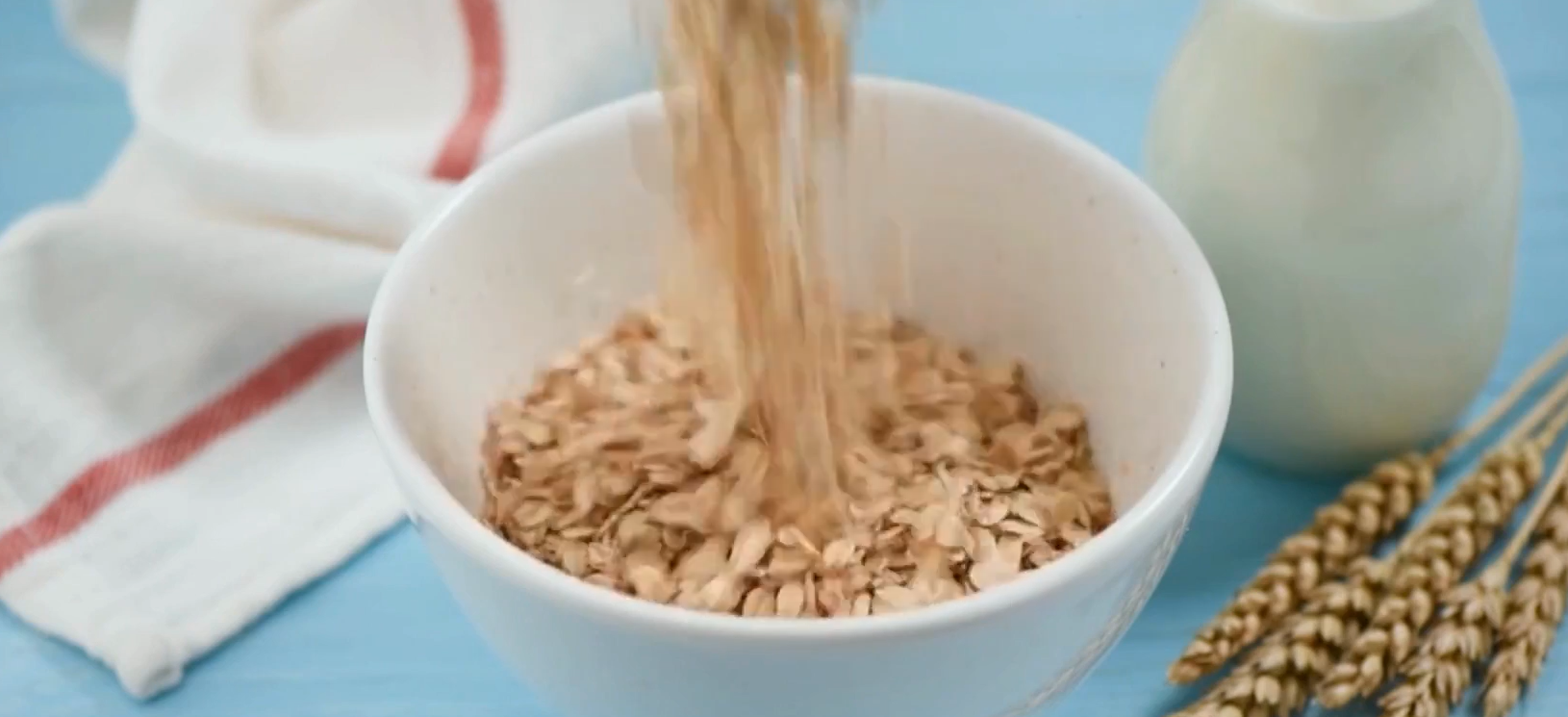
Yes, but portion control is important. Steel-cut oats or rolled oats are better choices than instant oatmeal because they digest more slowly.
What fruits are best for diabetic breakfasts?
Berries such as strawberries, raspberries, and blueberries are among the best fruits because they are lower in sugar and high in fiber.
Is Greek yogurt good for blood sugar control?
Unsweetened Greek yogurt is a great option because it contains protein and probiotics while remaining relatively low in carbohydrates.
Final Thoughts on Low Carb Breakfast Recipes for Diabetics
Following a low carb breakfast plan can make a major difference in blood sugar management, energy levels, and overall health. The key is focusing on balanced meals that combine protein, healthy fats, and fiber while avoiding refined sugars and processed carbohydrates.
This 7-day meal plan provides simple and satisfying low carb breakfast recipes for diabetics that are both nutritious and easy to prepare. By planning ahead and making smart ingredient choices, you can enjoy delicious breakfasts while supporting stable blood sugar levels every day.