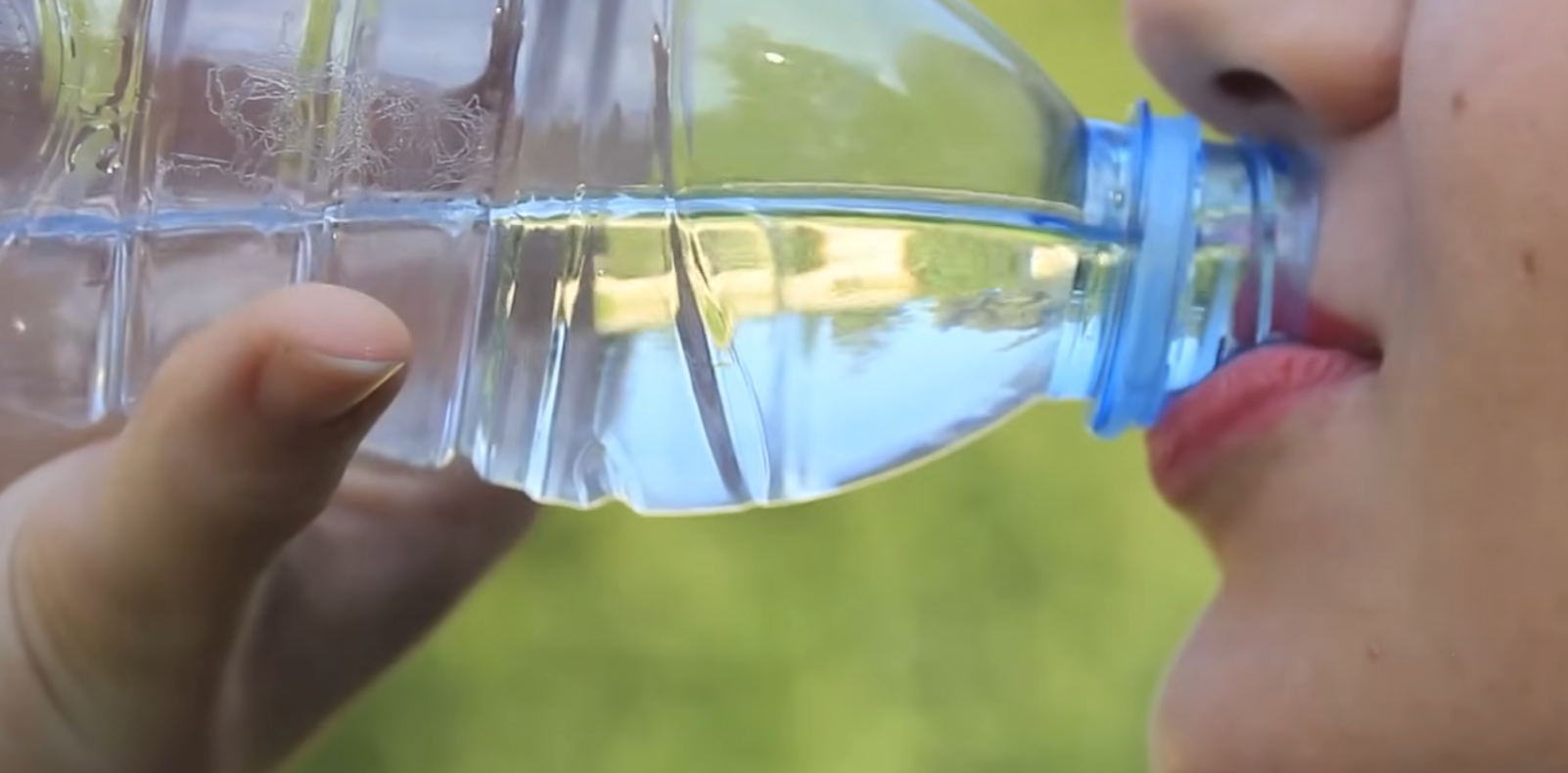
If you have diabetes, you have probably noticed that thirst feels different for you — more urgent, more persistent, and sometimes harder to satisfy. That is not a coincidence. Diabetes and hydration are deeply connected, and getting your daily water intake right can make a meaningful difference in how well your blood sugar is managed. So, how much water should a diabetic drink per day? The short answer is around 8 to 10 cups (2 to 2.5 liters) daily — but the full answer depends on your body, your health, and your lifestyle. This article walks you through everything you need to know, backed by current medical understanding, so you can make the best decisions for your health.
Why Hydration Is Especially Important for Diabetics
For most people, staying hydrated is simply a matter of comfort and general wellness. For diabetics, it is a matter of blood sugar management. When blood glucose levels rise above normal, the kidneys work overtime to filter and flush out the excess sugar through urine. This process pulls significant amounts of water out of the body along with it, leading to more frequent urination and, consequently, a higher risk of dehydration.
This creates a difficult cycle. Dehydration causes blood to become more concentrated, which means the glucose in your bloodstream becomes more concentrated too — driving blood sugar levels even higher. The higher your blood sugar climbs, the more your kidneys strain to clear it, and the more fluid your body loses. Breaking this cycle starts with consistent, adequate hydration throughout the day.
Beyond blood sugar regulation, water supports nearly every system in the body — from kidney function and nutrient transport to temperature regulation and joint lubrication. For someone managing diabetes, these functions are not optional extras; they are essential components of staying well and avoiding complications.
How Much Water Do Diabetics Need Per Day? (General Guidelines)
The most widely referenced baseline for daily water intake is eight 8-ounce cups, which equals roughly 2 liters or about half a gallon. This figure — sometimes called the “8×8 rule” — serves as a convenient starting point for most healthy adults. For diabetics, however, most healthcare professionals recommend erring toward the higher end of the range, aiming for 8 to 10 cups per day or approximately 2 to 2.5 liters.
A more personalized formula that many dietitians and diabetes educators use is the half-your-body-weight-in-ounces rule. This means if you weigh 160 pounds, your daily water target would be around 80 ounces, or about 10 cups. This accounts for the fact that larger bodies require more fluid to maintain proper hydration.
The American Diabetes Association (ADA) does not prescribe a single fixed number for water intake because individual needs vary considerably. Instead, they emphasize that water should be the primary beverage of choice for people with diabetes, replacing sugary drinks, fruit juices, and sweetened teas that can cause blood sugar spikes. The World Health Organization (WHO) similarly recommends water as the safest, most effective hydration source for people managing chronic conditions.
A practical way to monitor hydration is to check the color of your urine. Pale yellow indicates good hydration, dark yellow or amber signals that you need to drink more, and clear urine may mean you are slightly overdoing it. This simple habit takes the guesswork out of hitting your daily target.
Factors That Affect How Much Water a Diabetic Should Drink
While 8 to 10 cups is a solid general guideline, the ideal amount for you personally depends on several overlapping factors. Understanding these helps you fine-tune your intake rather than following a one-size-fits-all number.
Body weight and size play a direct role. As mentioned, heavier individuals need more water to keep tissues and organs properly hydrated. Using the half-your-weight-in-ounces formula gives you a personalized starting point.
Physical activity level significantly increases your fluid needs. Exercise causes sweating, which accelerates water loss. If you are active — whether through walking, cycling, gym workouts, or physical labor — you need to increase your intake before, during, and after exercise to compensate for what you lose through sweat.
Climate and environment matter too. Living in or visiting a hot, humid, or high-altitude location increases the rate at which your body loses water. During summer months or in warm regions, your daily water needs may be 20 to 30 percent higher than in cooler seasons.
Kidney function is a critical consideration for diabetics specifically. Diabetes is one of the leading causes of chronic kidney disease (CKD). If your kidneys are already compromised, your doctor may actually advise limiting fluid intake rather than increasing it, because damaged kidneys struggle to process large volumes of water. Always discuss your hydration targets with your nephrologist or endocrinologist if you have known kidney issues.
Medications can influence hydration needs as well. Diuretics — medications that increase urine output — are sometimes prescribed to diabetics for blood pressure management. These directly accelerate water loss and typically require increased fluid intake to compensate. Other medications may affect how the kidneys handle fluids, so reviewing hydration needs with your prescribing physician is always a wise step.
Blood sugar levels themselves influence how much water you need on any given day. When your blood sugar is running high, your body is losing more fluid through increased urination, meaning your daily water needs are elevated on those days. Tracking your glucose levels alongside your fluid intake can reveal useful patterns.
Type of diabetes also plays a role. People with type 1 diabetes need to be particularly attentive to hydration during periods of high ketone levels, since dehydration is a known risk factor for diabetic ketoacidosis (DKA), a life-threatening condition. Those with type 2 diabetes face an ongoing risk of mild chronic dehydration due to the metabolic changes associated with insulin resistance.
Does Drinking Water Help Lower Blood Sugar?
This is one of the most common questions people with diabetes ask — and the answer is a careful yes, with important caveats. Drinking adequate water can help reduce blood sugar levels through two main mechanisms.
First, water dilutes the concentration of glucose in the bloodstream. When you are well-hydrated, your blood volume is maintained at a healthy level, which means the glucose in it is proportionally less concentrated than when you are dehydrated. This does not dramatically lower blood sugar, but it does prevent the spikes that dehydration can cause.
Second, water supports the kidneys in excreting excess glucose through urine. The kidneys have a glucose threshold — when blood sugar climbs above roughly 180 mg/dL, the kidneys begin filtering glucose out through urine, a process called glycosuria. Staying hydrated ensures the kidneys can perform this function efficiently, rather than becoming overburdened and less effective.
Research published in the journal Diabetes Care found that lower daily water intake was associated with higher blood sugar levels and a greater risk of hyperglycemia. Another study found that adults who drank more water had a lower risk of developing high blood sugar over time compared to those who drank less.
That said, it is essential to be clear: water is a supportive tool, not a treatment. It does not replace insulin, medication, dietary changes, or regular monitoring. If your blood sugar is dangerously high, drinking water is not a substitute for appropriate medical intervention. Think of hydration as one piece of a larger management puzzle — an important piece, but not the whole picture.
Signs of Dehydration in Diabetics to Watch Out For
Recognizing dehydration early is especially important for people with diabetes because the consequences of fluid loss compound quickly with elevated blood sugar. Some of the signs overlap with general dehydration symptoms, but there are a few that are more pronounced or more dangerous in a diabetic context.
Excessive thirst — known medically as polydipsia — is one of the classic warning signs of both dehydration and high blood sugar. If you find yourself constantly thirsty despite drinking fluids, it may signal that your blood sugar is running high, not just that you need more water.
Dark urine is one of the clearest indicators of dehydration. Healthy, well-hydrated urine should be pale yellow. Dark yellow, orange, or brown urine is a signal to drink water promptly.
Fatigue and reduced energy without an obvious cause can indicate dehydration. When blood becomes thicker due to fluid loss, it circulates less efficiently, delivering less oxygen and nutrients to muscles and the brain.
Dizziness or lightheadedness, particularly when standing up quickly, can result from reduced blood volume caused by dehydration. For diabetics, this can also be a side effect of blood sugar swings, making it doubly important to monitor.
Headaches, dry mouth, and difficulty concentrating are early-stage dehydration symptoms that are easy to overlook or attribute to other causes. Treating them with a glass of water is always a reasonable first response.
Blood sugar spikes that seem unexplained by food intake may actually be driven by dehydration concentrating glucose in the bloodstream. If your readings are higher than expected, checking your hydration status is worth doing before adjusting medication.
Best Drinks for Diabetics Beyond Plain Water
While plain water is unquestionably the gold standard for hydration, variety can help you stay consistent — especially if you find plain water difficult to drink in volume throughout the day. Fortunately, several other beverages are safe and supportive for diabetics.
Sparkling or carbonated water (with no added sugar or sweeteners) is an excellent substitute for still water. It provides the same hydration benefits with a texture that many people find more satisfying. Plain sparkling water, club soda, or naturally flavored sparkling waters without sugar are all good choices.
Herbal teas — brewed without sugar — are another strong option. Chamomile, peppermint, ginger, and hibiscus teas are popular choices that offer flavor alongside hydration. Some herbal teas, like cinnamon tea, have even been studied for their potential mild blood-sugar-lowering effects, though the evidence remains preliminary.
Infused water is a simple and effective way to make plain water more appealing. Adding slices of cucumber, lemon, lime, mint, or berries to a jug of water adds flavor with virtually no sugar or calories. It is an especially useful approach for people who struggle with the blandness of plain water.
Low-sugar electrolyte drinks can be appropriate after exercise or during illness when electrolyte replacement is needed, but they should be chosen carefully. Many commercial sports drinks are high in sugar and not appropriate for regular use by diabetics. Look for options with no added sugar or very low carbohydrate content.
Beverages to avoid or strictly limit include regular sodas, fruit juices, sweetened teas, energy drinks, and flavored coffees with added syrups or sugar. These cause rapid blood sugar spikes and contribute empty calories without meaningful hydration benefits. Even 100% fruit juice — often perceived as healthy — is high in natural sugars and can spike blood glucose quickly without the fiber buffer that whole fruit provides.
Coffee and tea without added sugar are generally acceptable in moderate amounts. Some research even suggests that regular coffee consumption is associated with a modestly lower risk of type 2 diabetes, though individual responses vary. Be mindful of caffeine’s mild diuretic effect — it may slightly increase urination at high doses, though the overall hydration effect of caffeinated beverages is still net positive in moderate amounts.
Can Diabetics Drink Too Much Water? Understanding Overhydration
The conversation around hydration usually centers on drinking enough water, but it is worth acknowledging that drinking too much water is also a real, if less common, concern — particularly for certain diabetics.
Drinking excessively large amounts of water in a short period can dilute sodium levels in the blood, a condition called hyponatremia, or low blood sodium. Symptoms include nausea, headache, confusion, and in severe cases, seizures or loss of consciousness. This is rare in healthy adults drinking normal amounts, but can occur in people who drink several liters of water within a few hours, such as during intense endurance exercise.
For diabetics with chronic kidney disease, overhydration is a more practical concern. Damaged kidneys have a reduced ability to filter and excrete excess fluid, meaning large volumes of water can accumulate in the body and lead to edema (swelling), high blood pressure, and strain on the cardiovascular system. If you have been diagnosed with any degree of kidney disease, your fluid intake should be guided by your nephrologist rather than general guidelines.
The takeaway is balance. For most diabetics with healthy or mildly affected kidneys, drinking 8 to 10 cups per day carries no risk of overhydration. Spreading your intake across the day — rather than consuming large volumes all at once — is both safer and more effective for maintaining consistent hydration levels.
Practical Tips to Stay Hydrated Throughout the Day
Knowing how much water to drink is one thing — actually drinking it consistently is another. These practical strategies make it easier to hit your daily hydration target without it feeling like a chore.
Start your morning with water before anything else. Keeping a glass or bottle on your nightstand and drinking it first thing — before coffee, breakfast, or checking your phone — builds a consistent hydration habit and replaces the fluid your body loses overnight.
Drink a glass of water before each meal. This serves double duty: it contributes to your daily intake and helps moderate appetite, which supports weight management — an important factor in type 2 diabetes control. Some research also suggests that pre-meal water intake can modestly reduce post-meal blood sugar spikes.
Carry a reusable water bottle everywhere you go. When water is visible and accessible, you drink more of it without thinking. Choose a bottle with volume markers so you can track how much you have consumed throughout the day. Bottles with time markers — prompting you to drink a certain amount by a certain hour — can also be effective.
Set reminders on your phone or smartwatch. Especially if you are busy or desk-bound, it is easy to go hours without drinking anything. Simple hourly reminders take the effort out of remembering.
Eat water-rich foods. Foods like cucumber, celery, lettuce, tomatoes, zucchini, and watermelon have very high water content and contribute meaningfully to total daily fluid intake. They also tend to be low-glycemic and diabetes-friendly, making them a natural fit for a diabetic meal plan.
Track your intake with an app. Apps like MyFitnessPal, WaterMinder, or Cronometer allow you to log your daily water consumption alongside your food and glucose data. Seeing everything in one place can reveal patterns — for example, noticing that your blood sugar tends to be higher on days you drink less water.
Flavor your water if plain feels boring. As mentioned earlier, adding fresh fruit, herbs, or cucumber to a pitcher of water makes hydration significantly more enjoyable. Preparing a large infused water jug in the morning and keeping it in the fridge means cold, flavorful water is always ready.
Frequently Asked Questions
How many glasses of water should a diabetic drink per day? Most diabetics benefit from drinking 8 to 10 glasses (approximately 64 to 80 ounces or 2 to 2.5 liters) of water per day. A useful personalized target is to drink half your body weight in ounces. Individual needs vary based on weight, activity level, climate, and kidney health.
Is it good for diabetics to drink a lot of water? Yes, for most diabetics, drinking adequate amounts of water is highly beneficial. It supports kidney function, helps dilute blood glucose concentration, and reduces the risk of dehydration-related blood sugar spikes. However, those with advanced kidney disease should consult their doctor about appropriate fluid limits, as too much water can strain compromised kidneys.
What happens if a diabetic doesn’t drink enough water? Insufficient water intake causes blood to become more concentrated, raising blood sugar levels. The kidneys are forced to work harder to filter excess glucose, increasing the risk of kidney strain. Chronic dehydration in diabetics is also associated with a higher risk of urinary tract infections, constipation, and in severe cases, diabetic ketoacidosis (DKA) — a dangerous medical emergency.
Does water intake affect blood sugar levels? Yes, hydration status has a direct effect on blood sugar levels. When you are dehydrated, blood glucose concentration rises because there is less fluid diluting the sugar in your bloodstream. Staying well-hydrated supports the kidneys in excreting excess glucose through urine and helps prevent the concentration effect that dehydration causes. Water is supportive of blood sugar management, but it is not a replacement for diabetes medication or dietary control.
What is the best drink for a diabetic besides water? Unsweetened herbal teas, plain sparkling water, and infused water with fresh fruit or herbs are among the best alternatives to plain water for diabetics. In some circumstances, a low-sugar electrolyte drink may be appropriate after exercise. Beverages to avoid include regular sodas, fruit juices, sweetened teas, and energy drinks, all of which can cause significant blood sugar spikes.
Can drinking water prevent type 2 diabetes? Research suggests that higher daily water intake is associated with a modestly lower risk of developing type 2 diabetes, potentially because staying hydrated supports healthy metabolic function and reduces strain on the pancreas. However, drinking water is not a prevention strategy on its own. A balanced diet, regular physical activity, healthy body weight, and routine medical screening are the primary evidence-based approaches to reducing type 2 diabetes risk.
How much water should a type 1 diabetic drink per day? The general guideline of 8 to 10 cups per day applies to type 1 diabetics as well as those with type 2. However, people with type 1 diabetes should be especially vigilant about hydration when blood ketone levels are elevated, as dehydration is a known risk factor for diabetic ketoacidosis (DKA). During illness, high-intensity exercise, or periods of poor glucose control, type 1 diabetics may need to increase their fluid intake and monitor their status more closely.
Conclusion
Water is one of the simplest, most accessible, and most underrated tools available to people managing diabetes. Aiming for 8 to 10 cups per day — adjusted for your body weight, activity level, and any kidney considerations — gives your body the fluid it needs to regulate blood sugar, support kidney function, and maintain overall health. Make water your default beverage, build habits that keep a glass or bottle within reach throughout your day, and pay attention to how your hydration affects your glucose readings. Small, consistent choices around water intake add up to meaningful improvements in diabetes management over time. If you are unsure about the right target for your specific situation, your endocrinologist or a registered dietitian specializing in diabetes care is your best resource for personalized guidance.
Medical disclaimer: This article is intended for informational purposes only and does not constitute medical advice. Always consult a qualified healthcare professional before making changes to your diabetes management plan.