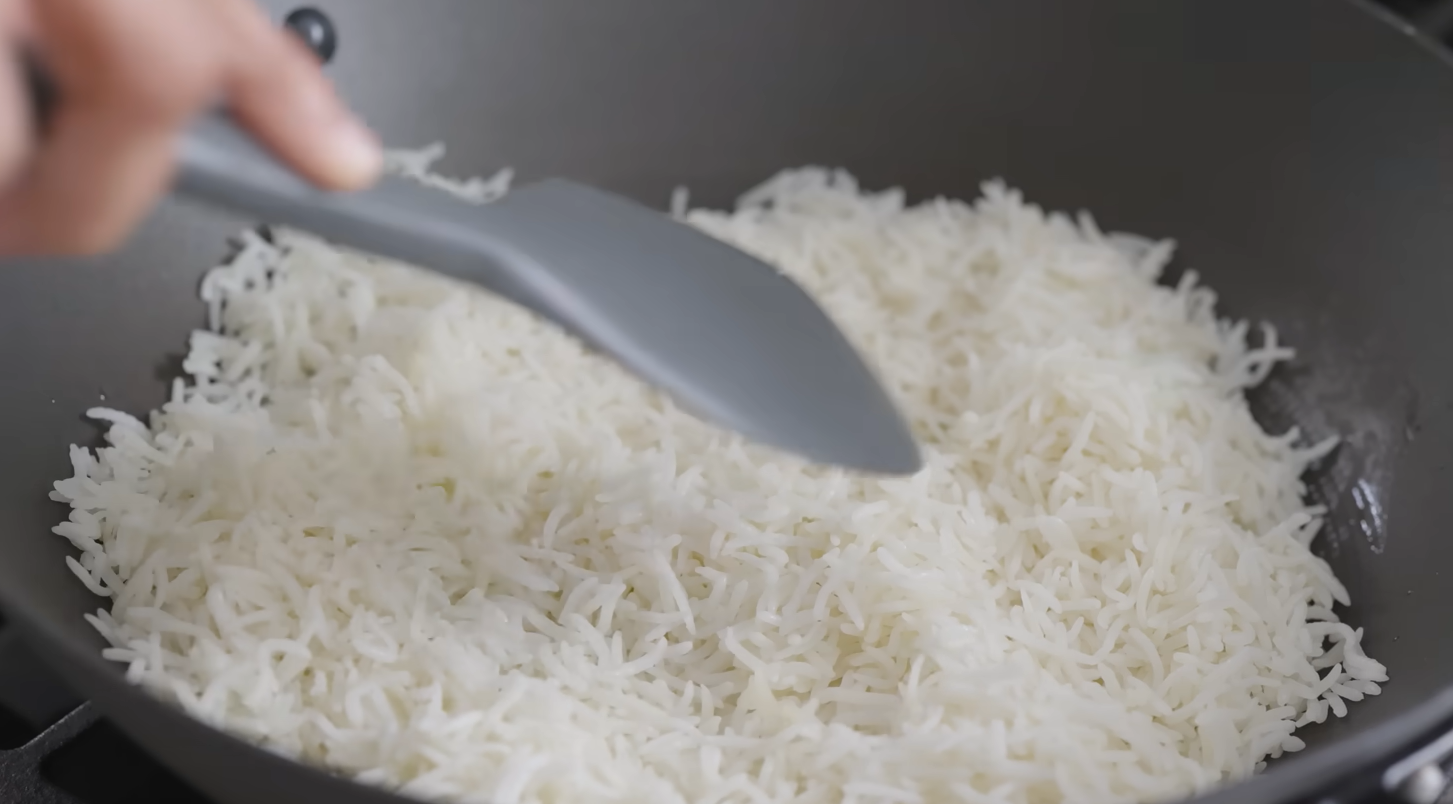
Wondering if you need to say goodbye to rice forever just because you have diabetes? You are not alone. It is one of the most common — and most anxious — questions that newly diagnosed diabetics ask their doctors, dietitians, and, let’s be honest, Google at 2 a.m. The short answer is no, you do not have to quit rice completely. But the longer answer — the one that will actually help you manage your blood sugar without feeling like you are being punished — requires understanding what rice does in your body, which types of rice are safer choices, and how to eat it smartly. That is exactly what this article is going to give you.
Why Rice Is a Blood Sugar Minefield for Diabetics
To understand the rice problem, you first need to understand two terms that will change how you think about food forever: glycemic index and glycemic load.
The glycemic index, or GI, is a scale from 0 to 100 that measures how quickly a particular food raises your blood glucose compared to pure glucose. Foods with a GI above 70 are considered high, meaning they cause a rapid, steep spike in blood sugar. Foods below 55 are considered low GI and cause a slower, more gradual rise. White rice sits at a GI of roughly 64 to 72, firmly in the high category. Glycemic load goes one step further — it accounts for both the GI and the actual amount of carbohydrates in a typical serving, giving you a more real-world picture of a food’s impact on your blood sugar.
Here is the core problem for diabetics: when you eat white rice, your digestive system breaks down its starch into glucose almost immediately. Because white rice has been stripped of its bran and germ during milling, it contains very little fibre to slow that absorption down. The result is a fast, sharp rise in blood glucose that the body of a person with diabetes is poorly equipped to handle. Over time, repeated spikes like these contribute to poor glycemic control, increased HbA1c levels, and a higher risk of complications.
Portion size, however, matters enormously. A small portion of white rice — say, a quarter cup cooked — has a meaningfully different impact on your blood sugar than a heaped cup. Many people eat rice in quantities far beyond what they realise, which is why rice gets such a bad reputation. The rice is not always the villain; the portion is.
What the Research Actually Says About Rice and Type 2 Diabetes
The science on rice and diabetes is more nuanced than most clickbait headlines suggest. A landmark study published in the BMJ found that higher white rice consumption was associated with an increased risk of developing type 2 diabetes, particularly in Asian populations where rice is a dietary staple. Each additional daily serving of white rice was linked to an 11 percent higher risk of type 2 diabetes overall. That sounds alarming — until you read more carefully.
There is an important distinction between the risk of developing type 2 diabetes and the challenge of managing it once you already have it. The BMJ study was looking at long-term dietary patterns in people who did not yet have diabetes. For someone already living with the condition, the question shifts from “will this food give me diabetes?” to “how does this food affect my blood sugar right now, and how do I work around it?”
The so-called Asian populations paradox is also worth addressing. Countries like Japan and China have historically had very high rice consumption and relatively lower obesity rates — though this picture is changing with westernisation of diets. Researchers attribute this partly to smaller portion sizes, more active lifestyles, and the fact that rice in these cultures is typically eaten alongside vegetables, fermented foods, and lean protein that blunt its glycemic impact.
The takeaway from the research is consistent: it is not rice itself that is the enemy. It is excessive consumption of refined white rice without fibre, protein, or fat to slow glucose absorption. Moderation and the type of rice you choose matter far more than elimination.
Not All Rice Is Created Equal: A Type-by-Type Comparison
This is perhaps the most practically useful section of this article, because most people think of “rice” as a single food when it is actually a broad family of grains with very different nutritional profiles.
White rice is the most processed form. The milling process removes the bran and germ, leaving mostly starch. This gives it a high GI of roughly 64 to 72, minimal fibre (less than 1 gram per cooked cup), and very little in the way of vitamins and minerals. It is digested quickly, causes the sharpest blood sugar spikes, and offers the least nutritional return. It is the worst rice option for diabetics, but it is also the most commonly eaten — which explains much of rice’s bad reputation in diabetes circles.
Brown rice is white rice’s less-processed cousin. Only the outermost hull is removed, leaving the bran and germ intact. This makes it significantly higher in fibre (around 3.5 grams per cooked cup), which slows digestion and blunts the glucose spike. Its GI sits around 50 to 55, placing it in the low-to-medium category. It also contains more magnesium, B vitamins, and antioxidants than white rice. Brown rice is a genuinely better option for diabetics and makes a meaningful real-world difference in post-meal blood sugar levels.
Basmati rice, particularly the brown basmati variety, is another strong option. Its long-grain structure and higher amylose content (a type of starch that digests more slowly) give it a GI of roughly 50 to 58, lower than most other white rices. It has a distinct fragrant flavour that makes it satisfying in smaller portions, which is an underrated benefit. White basmati is still a better choice than standard white rice, though brown basmati is better still.
Wild rice is technically not rice at all — it is the seed of an aquatic grass — but it cooks and eats like rice and deserves a place on this list. With a GI of around 45 and roughly 3 grams of protein per half-cup serving, wild rice is one of the most blood-sugar-friendly options available. It is also rich in antioxidants, zinc, and B vitamins.
Black and red rice varieties, while less common, are nutritional standouts. Their deep pigmentation comes from anthocyanins — the same antioxidants found in blueberries — which have been shown in research to have anti-inflammatory and insulin-sensitising effects. Both have lower GI values than white rice and are worth exploring if you can find them.
To summarise the comparison simply: wild rice and brown basmati at one end of the spectrum offer the most blood-sugar-friendly profiles; standard white rice at the other end offers the least. Every step away from highly processed white rice toward whole-grain options is a step in the right direction for diabetics.
The Real Answer: Should Diabetics Quit Rice Completely?
No. Diabetics do not need to quit rice completely — and frankly, for many people around the world, the idea of doing so is culturally, practically, and psychologically unrealistic. The evidence does not support a blanket ban, and nutrition experts are increasingly moving away from rigid elimination frameworks toward flexible, sustainable approaches to eating.
What the evidence does support is this: the type of rice you choose, the portion you eat, what you eat alongside it, and the time of day you eat it all have a significant influence on how your blood sugar responds. These are the levers you can actually pull. Throwing rice out of your life entirely is not required.
There is also an important psychological dimension here. Completely restricting a food — especially one that is culturally significant or emotionally comforting — can create a cycle of deprivation and overindulgence. Dietitians who specialise in diabetes management frequently observe that patients who adopt an “all or nothing” mentality around food often struggle more with long-term adherence than those who learn to incorporate their favourite foods in smarter ways.
It is also worth noting that individual blood sugar responses to rice vary considerably. Some people with type 2 diabetes find that even a small portion of white rice sends their glucose soaring; others find they can handle half a cup of brown basmati without a significant spike. Continuous glucose monitoring — wearing a sensor that tracks your blood sugar in real time — is the single best tool for understanding your personal response to specific foods. What matters most is your body’s data, not a generalised rule.
5 Smart Strategies to Eat Rice Without Spiking Blood Sugar
If you are going to include rice in your diet as a diabetic, these five strategies will make a significant difference in how your body handles it.
Keep your portion to a quarter of your plate. The standard recommendation for diabetics following the plate method is to fill half your plate with non-starchy vegetables, a quarter with lean protein, and only a quarter with starchy carbohydrates — which is where rice lives. In practical terms, this translates to roughly half a cup of cooked rice, or about 30 grams of carbohydrates. Measuring this out a few times until you can eyeball it accurately is genuinely worth the effort.
Always pair rice with protein, fat, and fibre. Eating rice on its own — or with only other high-carb foods — is the fastest route to a blood sugar spike. When you combine it with a protein source like grilled chicken, eggs, or lentils, healthy fat like avocado or olive oil, and fibre from non-starchy vegetables, the overall meal slows digestion dramatically and flattens the glucose curve. This is not a trick — it is basic physiology. Slower digestion means slower glucose absorption means a smaller, more manageable spike.
Cook, cool, and reheat your rice. This is one of the most evidence-backed, least talked-about strategies for reducing rice’s glycemic impact. When cooked rice is cooled in the refrigerator for several hours (overnight is ideal), some of its digestible starch converts into resistant starch — a type of starch that your small intestine cannot absorb. Instead, it passes to the large intestine where it feeds beneficial gut bacteria. Studies have shown that this process can reduce the glycemic impact of rice by up to 50 percent. Reheating the rice does not significantly reverse this conversion. In other words, day-old rice is meaningfully better for your blood sugar than freshly cooked rice.
Choose lower-GI varieties whenever possible. Swapping standard white rice for brown basmati, brown rice, or wild rice is one of the simplest, most impactful changes you can make. You get the satisfaction of eating rice with a significantly reduced blood sugar cost. The flavour and texture are different — not worse, just different — and most people adjust within a week or two.
Eat rice earlier in the day rather than at dinner. Research on circadian biology and insulin sensitivity consistently shows that the body handles carbohydrates better in the morning and early afternoon than in the evening. Insulin sensitivity is naturally higher earlier in the day, meaning your cells are more responsive to insulin’s signal to absorb glucose from the bloodstream. Saving your rice portion for a lunch rather than a late dinner can make a noticeable difference in your post-meal glucose readings.
Healthy Rice Alternatives for Diabetics Worth Trying
For those who want to reduce their rice intake further — or who find that even small portions of rice raise their blood sugar too much — there are several satisfying alternatives that work well as substitutes in most rice-based dishes.
Cauliflower rice has become ubiquitous for a reason. Made by pulsing raw cauliflower florets in a food processor until they resemble rice grains, it contains almost no carbohydrates, plenty of vitamin C, and a mild flavour that absorbs sauces and seasonings extremely well. It does not taste exactly like rice — nothing does — but as a base for curries, stir-fries, and grain bowls, it is genuinely satisfying and has a negligible effect on blood sugar.
Quinoa is technically a seed rather than a grain, but it cooks and eats like a grain and has a GI of around 53. More importantly, it is a complete protein, containing all nine essential amino acids — something very few plant foods can claim. Its slightly nutty flavour works well in both savoury and sweet preparations, and its fibre content (about 5 grams per cooked cup) helps keep blood sugar steady.
Shirataki rice, made from konjac flour, is perhaps the most extreme low-carb option on this list. It contains barely any digestible carbohydrates and has a gelatinous, slightly chewy texture that can be polarising. However, for those who want the visual and textural experience of eating rice with essentially zero glycemic impact, it is worth trying, particularly in dishes with bold, flavourful sauces that mask its neutral taste.
Barley deserves far more attention than it gets. With a GI of around 25 — one of the lowest of any grain — and high levels of beta-glucan, a soluble fibre that has been shown to improve insulin sensitivity and reduce post-meal blood glucose, barley is arguably the most diabetes-friendly grain available. It has a pleasantly chewy texture and a slightly nutty flavour that works wonderfully in soups, grain salads, and as a side dish.
Millet is a gluten-free ancient grain with a moderate GI of around 52 and good levels of magnesium, a mineral that plays an important role in insulin function and glucose metabolism. It is particularly popular in South Asian and African cuisines and can be prepared similarly to rice.
What Diabetes Experts and Dietitians Recommend
The American Diabetes Association (ADA) does not recommend a single universal diet for all people with diabetes. Instead, it emphasises individualised nutrition therapy — the idea that the best eating plan is the one that accounts for a person’s preferences, cultural background, metabolic goals, and lifestyle. The ADA’s position on carbohydrates, including rice, is clear: reducing overall carbohydrate intake has the most evidence for improving blood sugar in people with diabetes, but this does not require eliminating any specific food group entirely.
Registered dietitians who specialise in diabetes management are largely aligned with this view. The concept of “forbidden foods” is considered outdated in modern diabetes nutrition. A more effective framework teaches patients to understand carbohydrate portions, choose lower-GI options when possible, and pair carbohydrates with protein and fat — all of which are strategies that allow rice to remain part of the diet in a controlled, intentional way.
The most powerful personalisation tool available today is continuous glucose monitoring, or CGM. Devices like the Dexterity G7 or the FreeStyle Libre allow people with diabetes to see exactly how their blood sugar responds to a specific meal — including how a half-cup of brown basmati paired with salmon and salad compares to a cup of white rice eaten alone. This real-time feedback loop is invaluable for making genuinely informed food decisions, and it often reveals that people can tolerate certain foods better than they feared, while identifying unexpected blood sugar triggers they never would have guessed.
If you are unsure how to navigate rice in your diet, the most productive step you can take is to consult with a registered dietitian who has experience in diabetes management. A professional can help you design an eating plan that accounts for your specific HbA1c targets, medications, activity level, and food preferences — all of which interact in ways that no general article can fully address.
Sample Diabetes-Friendly Meal Plan Featuring Rice
To make all of this practical and concrete, here is a sample one-day meal plan that includes rice while keeping blood sugar management as the central priority.
For breakfast, a two-egg omelette with spinach, mushrooms, and a small amount of feta cheese, served alongside half an avocado and a cup of unsweetened green tea. This meal is high in protein and healthy fat, low in carbohydrates, and sets a stable blood sugar baseline for the day.
For lunch, half a cup of cooked brown basmati rice served with a generous portion of grilled chicken thighs, a large side of roasted broccoli and bell peppers dressed in olive oil, and a tablespoon of natural yoghurt. The protein, fat, and fibre in this meal significantly blunt the impact of the rice on blood sugar. The total carbohydrate load is approximately 30 to 35 grams, which is manageable for most people with type 2 diabetes when the rest of the meal is structured this way.
For an afternoon snack, a small handful of almonds and a few cucumber slices with hummus — both low-GI, blood-sugar-stable options that keep energy steady through the afternoon without the need for more carbohydrates.
For dinner, baked salmon with a large mixed green salad dressed in olive oil and lemon juice, alongside a serving of roasted cauliflower. This dinner is deliberately low in carbohydrates, taking advantage of the fact that carbohydrate tolerance is typically lower in the evening. The omega-3 fatty acids in the salmon also have long-term benefits for insulin sensitivity and cardiovascular health.
This is one example, not a prescription. The key principles it illustrates — rice at lunch rather than dinner, rice paired with protein and vegetables, portion of rice kept to half a cup, dinner skewing low-carb — can be adapted to any cuisine or cultural context.
Frequently Asked Questions
Can diabetics eat white rice at all?
Yes, but with significant caveats. White rice is not off-limits in an absolute sense, but it requires strict portion control (no more than half a cup cooked), thoughtful pairing with protein, fat, and non-starchy vegetables, and ideally the cook-cool-reheat technique to lower its glycemic impact. For many diabetics, even these precautions may not be sufficient, and lower-GI options like brown basmati or wild rice are better choices in practice.
Is brown rice better than white rice for blood sugar?
Yes, meaningfully so. Brown rice has a GI of around 50 to 55, compared to white rice’s 64 to 72, and it contains roughly three times more fibre. This combination slows digestion, reduces the speed at which glucose enters the bloodstream, and results in a smaller, more gradual blood sugar rise. For diabetics who want to continue eating rice regularly, switching from white to brown is one of the most impactful single changes they can make.
How much rice can a diabetic eat per day?
A general guideline is half a cup of cooked rice per meal, which provides approximately 22 to 25 grams of carbohydrates. Whether you eat this once or twice a day depends on your total daily carbohydrate target, your medications, your activity level, and your individual blood sugar response. Continuous glucose monitoring is the best way to determine your personal upper limit. Always discuss specific carbohydrate targets with your healthcare provider or dietitian.
Does cooking method affect how rice impacts blood sugar?
Yes, substantially. Cooking rice and then cooling it in the refrigerator for at least 12 hours converts a portion of its digestible starch into resistant starch. Research suggests this can reduce the glycemic impact of rice by as much as 50 percent. Reheating the cooled rice does not significantly reverse the conversion. Pressure-cooking rice followed by cooling produces an even greater increase in resistant starch than conventional boiling.
What is the best rice for diabetics?
Wild rice and brown basmati are generally considered the top choices. Wild rice has a GI of around 45, is higher in protein than most grains, and is rich in antioxidants. Brown basmati has a GI of roughly 50 to 55, a pleasant fragrant flavour, and a long-grain structure that digests more slowly than shorter-grain varieties. Both can be eaten in modest portions with minimal blood sugar impact when paired correctly.
Is basmati rice low glycemic?
Basmati rice has a lower GI than most other white rices, typically ranging from 50 to 58, due to its higher amylose content and long-grain structure. It is not classified as “low GI” in the strictest sense (which requires a score below 55), but it sits at the lower end of the medium range and is significantly better than standard white rice. Brown basmati, with a GI closer to 50, is the better option if you want to keep firmly within the low-GI category.