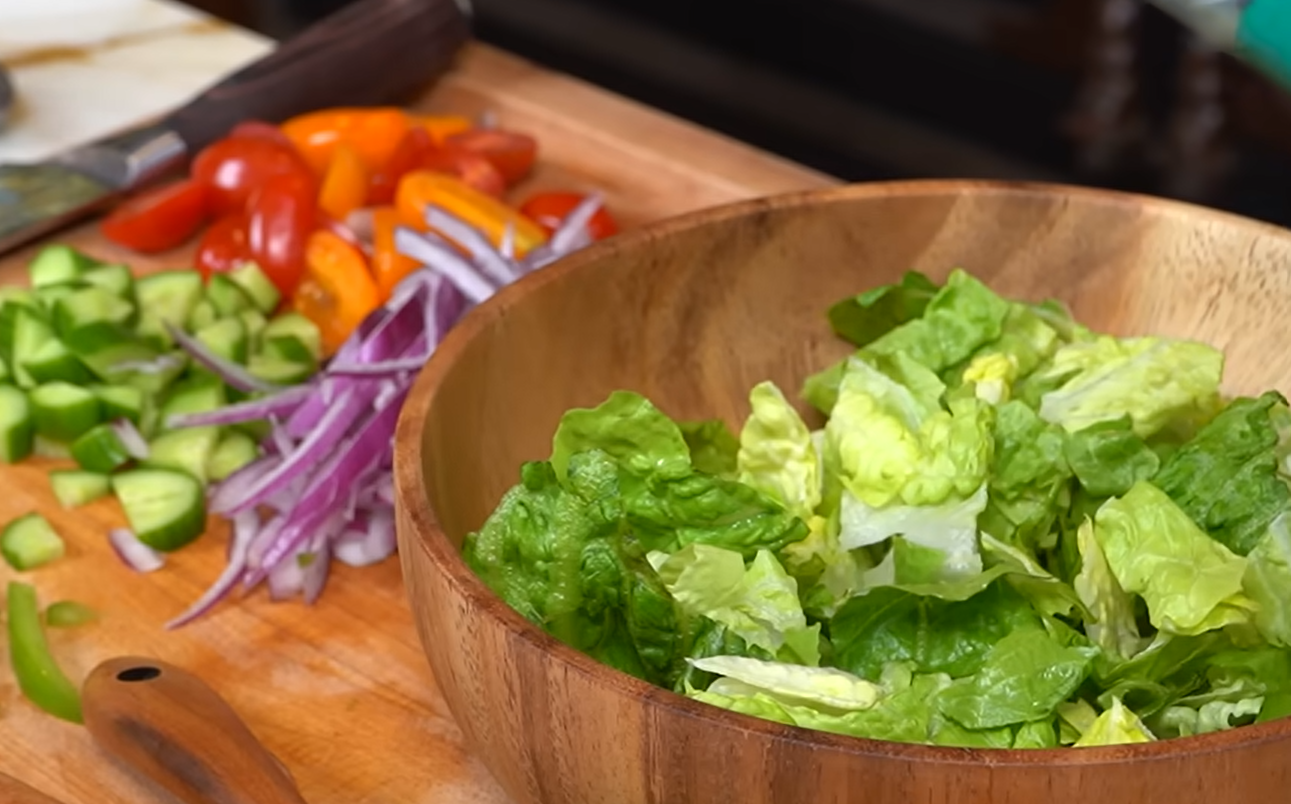
Low glycemic salad recipes are one of the easiest ways to enjoy healthy, satisfying meals while keeping your blood sugar levels stable. Unlike traditional salads that can sometimes leave you hungry shortly after eating, low glycemic salads combine fiber-rich vegetables, lean proteins, healthy fats, and smart carbohydrates to create meals that are both nutritious and filling.
Whether you are trying to manage diabetes, lose weight, improve energy levels, or simply eat healthier, low glycemic salads can become a delicious part of your routine. These salads are packed with vitamins, minerals, antioxidants, and slow-digesting ingredients that help prevent blood sugar spikes and keep you feeling satisfied for hours.
In this guide, you will learn what makes a salad low glycemic, the best ingredients to use, and several filling low glycemic salad recipes that are easy to prepare at home.
What Is a Low Glycemic Salad?
A low glycemic salad is made using ingredients that have a low Glycemic Index (GI). The Glycemic Index measures how quickly foods raise blood sugar levels after eating. Foods with a lower GI digest more slowly, helping maintain steady energy and better appetite control.
Low glycemic salads focus on nutrient-dense ingredients such as leafy greens, non-starchy vegetables, lean proteins, legumes, nuts, seeds, and healthy fats. These ingredients work together to slow digestion and improve satiety.
Unlike salads loaded with sugary dressings, fried toppings, or refined carbohydrates, low glycemic salads provide balanced nutrition without causing rapid spikes in blood sugar.
Common low GI salad ingredients include:
- Spinach
- Kale
- Cucumbers
- Tomatoes
- Avocados
- Chickpeas
- Lentils
- Eggs
- Salmon
- Olive oil
- Nuts and seeds
These foods not only support blood sugar control but also contribute to heart health, digestion, and weight management.
Benefits of Low Glycemic Salad Recipes
Helps Maintain Stable Blood Sugar
One of the biggest benefits of low glycemic salads is their ability to stabilize blood glucose levels. Fiber-rich vegetables and protein slow down carbohydrate absorption, reducing sudden sugar spikes.
This is especially helpful for people with diabetes or insulin resistance.
Keeps You Full Longer
Low glycemic salads are naturally high in fiber and protein. These nutrients help control hunger and reduce cravings throughout the day.
Adding healthy fats like avocado or olive oil also improves satiety, making your salad feel like a complete meal instead of a side dish.
Supports Weight Management
Because low glycemic meals help reduce hunger and improve fullness, they can support healthy weight loss. Balanced salads reduce overeating and minimize unhealthy snacking between meals.
Boosts Energy Naturally
High-sugar meals often lead to energy crashes. Low glycemic salads provide steady energy release, helping you stay productive and focused for longer periods.
Improves Overall Nutrition
These salads are rich in vitamins, minerals, antioxidants, and anti-inflammatory compounds that support overall wellness and immune function.
Best Ingredients for Low Glycemic Salads
Choosing the right ingredients is essential for building delicious low glycemic salads.
Low GI Vegetables
Non-starchy vegetables form the base of most healthy salads. They are low in calories and high in fiber.
Best options include:
- Spinach
- Kale
- Romaine lettuce
- Arugula
- Cucumbers
- Bell peppers
- Tomatoes
- Broccoli
- Cauliflower
- Zucchini
- Cabbage
Protein Sources
Protein helps stabilize blood sugar and keeps you full.
Healthy proteins include:
- Grilled chicken
- Salmon
- Tuna
- Boiled eggs
- Tofu
- Turkey
- Chickpeas
- Lentils
- Black beans
Healthy Fats
Healthy fats improve flavor and increase satisfaction.
Top choices include:
- Avocados
- Olive oil
- Almonds
- Walnuts
- Chia seeds
- Pumpkin seeds
- Sunflower seeds
Smart Carbohydrates
Not all carbs are unhealthy. Low GI carbs provide energy while digesting slowly.
Examples include:
- Quinoa
- Lentils
- Chickpeas
- Sweet potatoes
- Beans
- Brown rice in moderation
10 Filling & Delicious Low Glycemic Salad Recipes
1. Grilled Chicken Avocado Salad
Ingredients
- 2 cups mixed greens
- 1 grilled chicken breast
- 1 avocado, sliced
- Cherry tomatoes
- Cucumber slices
- Olive oil
- Lemon juice
- Salt and pepper
Instructions
Place greens in a bowl and top with grilled chicken, avocado, cucumber, and tomatoes. Drizzle with olive oil and lemon juice before serving.
Nutrition Benefits
This salad is rich in protein, fiber, and healthy fats that help maintain fullness and stable blood sugar.
2. Mediterranean Chickpea Salad
Ingredients
- Chickpeas
- Cucumbers
- Tomatoes
- Red onion
- Feta cheese
- Olives
- Olive oil
- Lemon juice
Instructions
Mix all ingredients in a large bowl and toss with olive oil and lemon dressing.
Nutrition Benefits
Chickpeas provide slow-digesting carbohydrates and plant protein for long-lasting energy.
3. Spinach Strawberry Walnut Salad
Ingredients
- Fresh spinach
- Sliced strawberries
- Walnuts
- Goat cheese
- Balsamic vinaigrette
Instructions
Combine ingredients and lightly toss with dressing.
Nutrition Benefits
Strawberries are lower in sugar than many fruits, while walnuts add healthy omega-3 fats.
4. Quinoa & Roasted Vegetable Salad
Ingredients
- Cooked quinoa
- Roasted broccoli
- Bell peppers
- Zucchini
- Olive oil
- Garlic
- Lemon dressing
Instructions
Roast vegetables until tender and combine with cooked quinoa.
Nutrition Benefits
Quinoa provides fiber and protein, making this salad highly satisfying.
5. Salmon Cucumber Dill Salad
Ingredients
- Grilled salmon
- Cucumbers
- Mixed greens
- Fresh dill
- Greek yogurt dressing
Instructions
Layer greens with salmon and cucumbers, then drizzle with yogurt dressing.
Nutrition Benefits
Salmon contains healthy omega-3 fatty acids that support heart health.
6. Asian Cabbage Crunch Salad
Ingredients
- Shredded cabbage
- Carrots
- Edamame
- Sesame seeds
- Grilled chicken
- Sesame-ginger dressing
Instructions
Mix all ingredients together and chill before serving.
Nutrition Benefits
Cabbage and edamame are rich in fiber and antioxidants.
7. Greek Salad with Feta
Ingredients
- Tomatoes
- Cucumbers
- Olives
- Red onions
- Feta cheese
- Olive oil
- Oregano
Instructions
Combine vegetables and top with feta cheese and olive oil.
Nutrition Benefits
This classic salad is low in carbohydrates and packed with nutrients.
8. Kale & Lentil Power Salad
Ingredients
- Kale
- Cooked lentils
- Carrots
- Pumpkin seeds
- Olive oil dressing
Instructions
Massage kale with olive oil and add remaining ingredients.
Nutrition Benefits
Lentils are excellent for blood sugar management due to their high fiber content.
9. Egg & Avocado Protein Salad
Ingredients
- Boiled eggs
- Avocado
- Spinach
- Tomatoes
- Olive oil dressing
Instructions
Slice eggs and avocado over spinach and tomatoes.
Nutrition Benefits
This salad is rich in protein and healthy fats for long-lasting fullness.
10. Broccoli Crunch Salad
Ingredients
- Raw broccoli florets
- Sunflower seeds
- Greek yogurt dressing
- Red onions
- Almonds
Instructions
Mix ingredients and refrigerate before serving.
Nutrition Benefits
Broccoli is low glycemic and loaded with vitamins and fiber.
Tips for Making Salads More Filling
Add Lean Protein
Protein is essential for creating satisfying salads. Chicken, fish, tofu, eggs, and legumes are excellent choices.
Include Healthy Fats
Healthy fats help slow digestion and improve flavor. Avocados, nuts, seeds, and olive oil are ideal additions.
Don’t Skip Fiber
Fiber-rich vegetables and legumes help control hunger and support digestion.
Use Homemade Dressings
Store-bought dressings often contain hidden sugars. Homemade olive oil-based dressings are healthier and lower glycemic.
Balance Carbohydrates Carefully
Avoid refined carbs like croutons made from white bread. Instead, choose quinoa, beans, or lentils.
Foods to Avoid in High Glycemic Salads
Some salad ingredients can quickly turn a healthy meal into a high glycemic dish.
Avoid:
- Sugary dressings
- Candied nuts
- Fried chicken toppings
- White bread croutons
- Sweetened dried fruits
- Excess processed ingredients
Replacing these ingredients with whole-food alternatives keeps salads healthier and more blood sugar friendly.
Meal Prep Tips for Low Glycemic Salads
Meal prepping salads can save time and make healthy eating easier.
Store Ingredients Separately
Keep greens, proteins, and dressings in separate containers to maintain freshness.
Prepare Proteins Ahead
Cook chicken, eggs, lentils, or quinoa in advance for quick assembly during the week.
Use Airtight Containers
Proper storage helps vegetables stay crisp and fresh longer.
Add Dressing Before Serving
This prevents salads from becoming soggy.
Are Salads Good for Blood Sugar Control?
Yes, salads can be excellent for blood sugar control when made with low glycemic ingredients. Fiber, protein, and healthy fats help slow digestion and prevent rapid increases in blood sugar.
What Vegetables Are Lowest on the Glycemic Index?
Leafy greens, cucumbers, broccoli, cauliflower, peppers, zucchini, and tomatoes are among the best low glycemic vegetables.
Can Low Glycemic Salads Help With Weight Loss?
Yes. Low glycemic salads help control hunger, improve fullness, and reduce cravings, making it easier to maintain a healthy calorie intake.
What Protein Is Best for Low Glycemic Salads?
Grilled chicken, eggs, salmon, tofu, lentils, chickpeas, and turkey are all excellent protein sources for low glycemic meals.
Are Fruits Allowed in Low Glycemic Salads?
Yes. Low glycemic fruits like berries, apples, pears, and citrus fruits can be included in moderation.
What Dressing Is Best for Low Glycemic Salads?
Olive oil-based dressings with lemon juice, vinegar, herbs, and spices are among the healthiest options. Avoid dressings with added sugars and processed oils.
Conclusion
Low glycemic salad recipes are a delicious and practical way to support better health, stable energy, and balanced blood sugar levels. By combining fresh vegetables, lean proteins, healthy fats, and fiber-rich ingredients, you can create satisfying meals that nourish your body and keep you full for hours.
Whether you prefer Mediterranean flavors, protein-packed chicken salads, or plant-based options with lentils and quinoa, there are endless ways to enjoy healthy low glycemic salads. Start experimenting with these recipes and make nutritious eating a flavorful part of your daily routine.