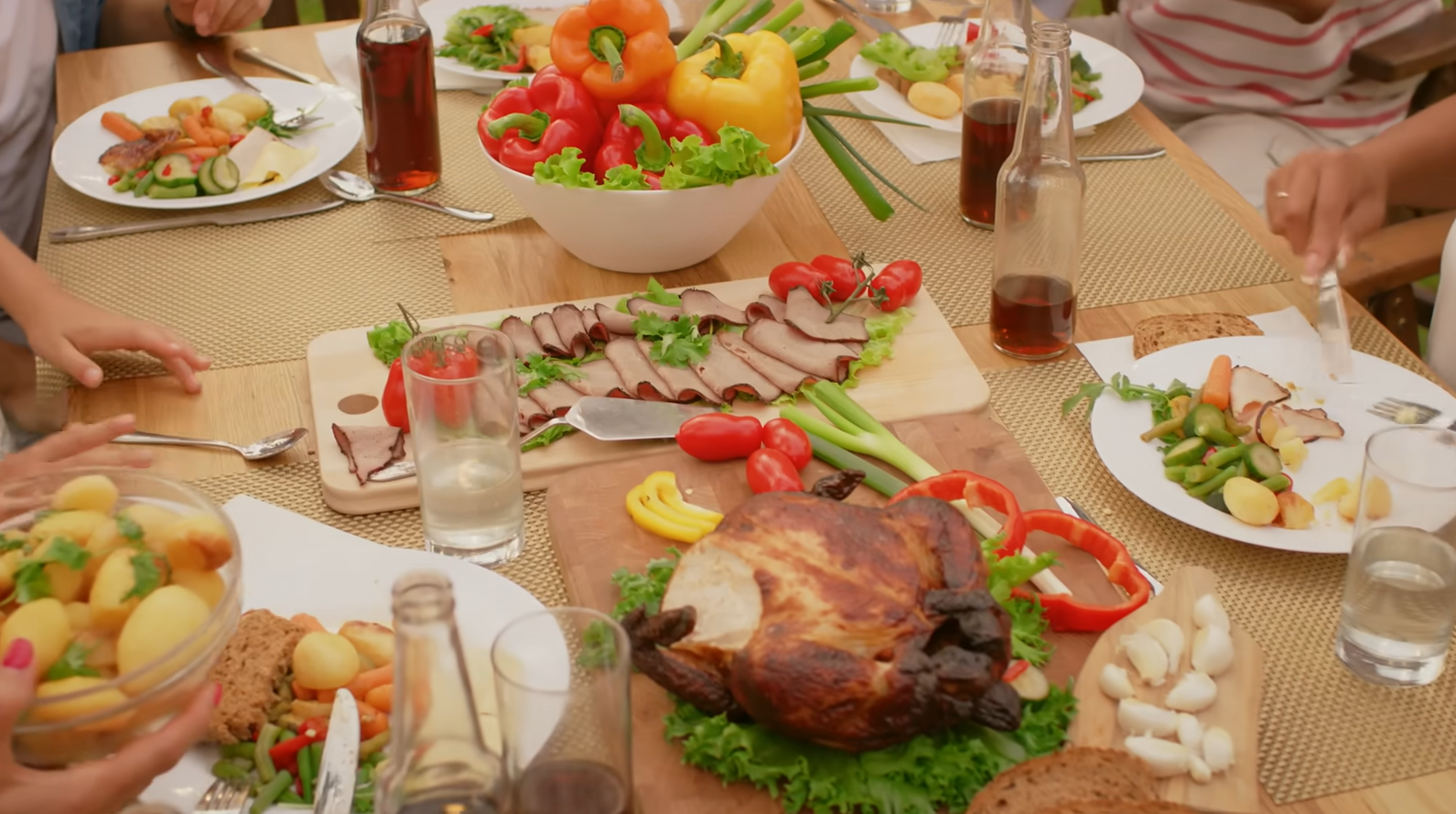
Dining out is one of life’s genuine pleasures — sharing a meal with friends, celebrating a birthday, or simply not cooking after a long day. But if you are managing diabetes, prediabetes, or simply trying to keep your blood sugar steady, walking into a restaurant can feel like navigating a minefield. The menus are designed to tempt, the portions are enormous, and the hidden sugars lurking in sauces and dressings can send your glucose levels into a tailspin before you even finish your appetizer.
Here is the truth: you do not have to give up eating out. You just have to eat out smarter. This complete guide will walk you through everything you need to know — from preparing before you leave home to what to do after the last bite — so you can enjoy any restaurant meal without the blood sugar rollercoaster.
Why Restaurants Are a Blood Sugar Minefield
Before you can outsmart the restaurant menu, it helps to understand exactly why eating out is so challenging for blood sugar control in the first place.
Hidden Sugars in Sauces, Dressings, and Marinades
The most deceptive blood sugar saboteurs at any restaurant are not the obvious ones like dessert or soda. They are the invisible ones — the teriyaki glaze on your salmon, the honey-mustard dressing on your salad, the sweet barbecue sauce on your ribs, and the sugary marinade soaked into your chicken. A single tablespoon of many commercial sauces can contain anywhere from 5 to 15 grams of sugar, and restaurant kitchens are notoriously generous with these additions because sugar enhances flavor and keeps customers coming back. A dish that looks entirely savory can deliver as much sugar as a small dessert, and because the sugar is dispersed across the meal rather than presented as an obvious treat, your brain never registers it as something to be cautious about.
Oversized Portions and Refined Carbs — The Double Threat
Restaurant portions have grown dramatically over the past few decades. What a restaurant calls a single serving of pasta, rice, or bread is often two to three times what a nutritionally appropriate portion would look like. This matters enormously for blood sugar because the glycemic load of a meal — the total impact on your glucose based on both the quality and quantity of carbohydrates — rises steeply with portion size. A small serving of white rice might be manageable; an enormous restaurant bowl of it is a different metabolic event entirely. The combination of refined carbohydrates, which digest rapidly and hit your bloodstream quickly, with massive portion sizes creates a double threat that can spike blood sugar far higher and faster than a home-cooked meal ever would.
How Stress and Eating Speed Affect Glucose Response
There is a less-discussed dimension to restaurant blood sugar spikes that has nothing to do with food at all: the circumstances of eating. Stress — whether from a busy workday, a difficult conversation, or even the low-level anxiety of managing your condition in a social setting — triggers the release of cortisol and adrenaline, hormones that raise blood glucose independently of what you eat. Additionally, the social and stimulating atmosphere of a restaurant often leads people to eat faster than they would at home. Rapid eating overwhelms the body’s satiety and digestive signaling, meaning more carbohydrates hit the small intestine at once and produce a sharper glucose spike than the same food eaten slowly would.
Before You Go: Smart Preparation Strategies
The single best thing you can do for your blood sugar at a restaurant happens before you ever sit down at a table.
Research the Menu Online Before Arriving
Almost every restaurant of any size has its menu available online, and many national chains publish full nutritional information. Spend five minutes before you leave home scanning the options. You are looking for meals anchored in lean protein and vegetables, with carbohydrates playing a supporting rather than starring role. When you arrive already knowing what you are going to order, you eliminate the decision fatigue that leads to impulsive choices, and you sidestep the temptation of reading through pages of appealing high-carb options while your hunger is building. If the restaurant has a nutrition section on its website, check not just the calorie count but the total carbohydrate grams and added sugars — those numbers are far more informative for blood sugar management than calories alone.
Eat a Small Protein-Rich Snack Beforehand
This strategy sounds counterintuitive — why eat before going out to eat? — but it works exceptionally well. Arriving at a restaurant ravenously hungry is one of the most reliable ways to make poor food choices and eat too quickly. A small, protein-rich snack eaten 30 to 45 minutes before your reservation — a handful of nuts, a boiled egg, a few slices of cheese, or some plain Greek yogurt — takes the sharp edge off your hunger without spoiling your appetite. With your hunger blunted, you will be far more capable of making calm, deliberate choices rather than reaching for the bread basket the moment it arrives on the table.
Check Your Blood Sugar Before Leaving Home
If you use a glucometer or continuous glucose monitor, checking your blood sugar before you leave home gives you an enormous amount of useful information. If your blood sugar is already elevated before the meal, you know to be especially conservative with carbohydrates. If it is on the lower end of your target range, you have a little more flexibility. This reading also gives you a baseline so that when you check again after the meal, you can accurately measure what impact the restaurant food had and use that data to make even better choices next time. Knowledge is control, and a two-second finger-prick before heading out can make the entire dining experience much more manageable.
How to Read a Menu With Blood Sugar in Mind
Once you are seated and holding the menu, a kind of fluency in restaurant language becomes invaluable. Menus are written to sell, not to inform, which means the way dishes are described is optimized to make them sound appealing rather than to reveal their blood sugar impact. Learning to read between the lines changes everything.
Red-Flag Words to Avoid
Certain words on a menu are almost always signals that a dish will be high in refined carbohydrates, added sugar, or both. Train yourself to pause when you see: crispy (almost always means breaded and fried), glazed (means coated in a sugary reduction), breaded (means a thick coating of refined flour), sweet (self-explanatory), sticky (sticky sauces are always sugar-heavy), caramelized (means cooked with sugar until browned), candied (drenched in sugar), and honey-anything (honey is sugar in liquid form). Dishes described as “house special” sauces or signature dressings often contain proprietary sweet-and-savory combinations that are deliberately high in sugar because sugar makes food addictive and memorable.
Green-Flag Words to Look For
On the other side of the ledger, certain descriptors reliably indicate dishes that will be gentler on blood sugar. Look for: grilled (dry heat, no sugary coating), steamed (the cleanest preparation possible), roasted (relies on the food’s natural flavors, typically no added sugar), fresh (usually means less processed), poached (gentle cooking in liquid, typically not sweetened), and baked (without sauces usually means lower added sugar). Dishes described as “simply prepared” or “market-style” tend to be more straightforward — protein plus vegetables with minimal processing. When a dish is described in plain, unfussy terms, that is often a good sign.
How to Decode “Healthy” Salads and Bowls
This is one of the most important lessons in restaurant blood sugar management: a menu item being labeled as healthy, light, or nutritious does not make it blood-sugar-friendly. Many restaurant salads are metabolic disasters hiding in a bowl of lettuce. The culprits are everywhere — sweetened dressings (some contain 10 to 20 grams of sugar per serving), candied or glazed nuts, dried cranberries or raisins (concentrated sugar), crispy tortilla strips or croutons (refined carbs), and sweet soy or teriyaki-based proteins. A seemingly virtuous grilled chicken salad with honey-roasted pecans, dried cranberries, and raspberry vinaigrette can deliver 40 or more grams of sugar — more than many traditional entrees. The same critical eye should be applied to grain bowls, Buddha bowls, and any trendy health-food menu items that combine multiple components, some of which are inevitably high-sugar.
The Best and Worst Foods to Order at Restaurants
With a clear framework for reading menus, here is a more concrete breakdown of what to seek out and what to steer around.
Best Choices for Blood Sugar Control
The most reliable anchor for any restaurant meal is lean protein. Grilled chicken, fish, shrimp, steak, lamb, turkey, tofu, and eggs are all excellent foundations because protein has virtually no impact on blood glucose and it slows the digestion of any carbohydrates eaten alongside it. Non-starchy vegetables are your next best friend — roasted broccoli, steamed spinach, sautéed zucchini, grilled asparagus, fresh salad greens (with dressing on the side), and roasted Brussels sprouts are all low-glycemic and filling. Healthy fats from avocado, olive oil, nuts, and cheese also slow gastric emptying, which means carbohydrates are absorbed more gradually and produce a lower, flatter glucose curve. A meal built primarily on protein, non-starchy vegetables, and healthy fats — with carbohydrates as a small side rather than the centerpiece — is almost always manageable for blood sugar.
Worst Choices to Avoid or Minimize
At the other end of the spectrum sit the foods that reliably cause significant blood sugar spikes in most people. White rice in the large portions typically served at Asian restaurants is one of the most impactful — a full cup of white rice contains around 45 grams of rapidly digested carbohydrate. Regular pasta, especially in the generous portions Italian restaurants tend to serve, is similarly problematic. The bread basket that appears automatically at many restaurants is a quiet saboteur — eating several rolls before your meal arrives can add 30 to 60 grams of refined carbohydrate before the food you actually ordered has touched the table. Sweetened drinks — sodas, sweetened iced teas, lemonade, fruit juices, and blended cocktails — can add enormous amounts of sugar in liquid form, which digests almost instantaneously. Fried appetizers, nachos, egg rolls, and similar starters combine refined carbs with unhealthy fats in ways that produce prolonged blood sugar elevation.
Smart Swaps That Don’t Feel Like Deprivation
One of the most empowering shifts in thinking about restaurant eating with blood sugar awareness is moving from an elimination mindset to a substitution mindset. Instead of feeling like you are giving things up, you are simply making better trades. Swap white rice for steamed broccoli or a side salad — most restaurants will accommodate this request without hesitation. Ask for your burger wrapped in lettuce instead of a bun, or simply eat only half the bun. Request extra vegetables in place of the starchy side dish. Choose cauliflower rice if the restaurant offers it. Order a second portion of the vegetable side instead of the pasta or rice. Ask for sauces and dressings on the side rather than applied in the kitchen, so you control how much you consume. These swaps are small in the moment but cumulative in their impact on your blood glucose.
A Cuisine-by-Cuisine Guide
Different restaurant cuisines present different challenges and opportunities. Italian restaurants, famous for pasta and bread, actually have excellent options if you look past the first page of the menu — think grilled fish, osso buco, salads, and antipasto platters with grilled vegetables and cheeses. Chinese restaurants are tricky because sauces tend to be sugar-heavy and rice is ubiquitous, but steamed dishes with sauce on the side, stir-fried proteins with vegetables, and hot-and-sour soup are reasonable choices. Mexican restaurants offer wonderful options in the form of grilled meats, guacamole, salsas, grilled fish tacos eaten without the tortilla or in corn rather than flour tortillas, and fajitas served without the rice and beans. Indian cuisine, rich in legumes and slow-cooked meats, can be navigated well by focusing on tandoori preparations, dals in moderate portions, and raita, while avoiding the naan, rice, and deep-fried items. American and steakhouse restaurants are arguably the easiest to navigate — a simply grilled steak, salmon, or chicken with a salad and steamed vegetables is a textbook blood-sugar-friendly meal.
Ordering Hacks That Actually Work
Beyond choosing the right dishes, there are specific ordering techniques that can meaningfully reduce the blood sugar impact of any meal.
Ask for Dressings and Sauces on the Side
This is the single most impactful and universally applicable restaurant hack for blood sugar management. When a salad arrives pre-dressed in the kitchen, the chef has typically used two to four tablespoons of dressing — often a sweetened variety — distributed throughout the bowl. By asking for the dressing on the side, you can dip your fork lightly before each bite, consuming a fraction of the dressing and a fraction of the associated sugar, without sacrificing the flavor experience. The same principle applies to sauces on proteins: a drizzle you control is very different from a generous ladle applied in the kitchen.
Swap Starchy Sides for Extra Vegetables
Every time you order a main course that comes with rice, mashed potatoes, pasta, or fries, you have an easy opportunity to dramatically improve the meal’s blood sugar profile simply by asking to substitute those sides. Most restaurants are entirely willing to swap a starchy side for a double portion of vegetables, a side salad, or steamed greens. This one change can reduce the carbohydrate load of your meal by 30 to 60 grams, depending on the restaurant and the portion size.
Request Grilled Instead of Fried
Many proteins on restaurant menus — chicken, fish, shrimp, even tofu — are available both fried and grilled, though the fried version is often what is implied if you do not specify. Asking for grilled instead of fried removes the refined flour coating, eliminates the vegetable oil absorption, and typically removes any sugary marinade as well. It is a small ask that waitstaff hear regularly and almost always accommodate without issue.
Start With Fiber — Vegetables or Salad First
The order in which you eat food during a meal has a measurable effect on post-meal blood sugar. Research has consistently shown that eating the fiber- and protein-rich components of a meal first — vegetables, salad, protein — before consuming carbohydrates significantly blunts the glucose spike that follows. This is because fiber and protein slow gastric emptying and reduce the rate at which carbohydrates enter the small intestine and bloodstream. In a restaurant context, this means eating your salad before your entree, consuming the protein and vegetables on your plate before touching the rice or bread, and resisting the bread basket until after you have eaten some of the more substantial components of your meal — or ideally, skipping it altogether.
Split Portions or Box Half Before Eating
Because restaurant portions are so dramatically oversized, one of the most effective strategies is to simply eat less of what arrives. The most psychologically reliable way to do this is to ask your server to box half of the meal before it reaches the table, or to split an entree with your dining companion. When excess food is sitting on your plate, most people will continue eating it even after they are no longer hungry, simply because it is there. Removing that temptation before it begins is far easier than exercising willpower mid-meal when hunger and the pleasure of eating are both working against you.
What to Do After the Meal to Minimize Blood Sugar Impact
What you do in the hour after a restaurant meal can be just as important as what you ordered.
A Short Walk After Eating — The Science Behind It
One of the most powerfully effective and underutilized tools for managing post-meal blood sugar is a brief walk. Studies have shown that even a 10 to 15-minute walk taken within 30 minutes of finishing a meal can reduce the post-meal glucose spike by 20 to 30 percent in people with insulin resistance or type 2 diabetes. The mechanism is straightforward: working muscles absorb glucose from the bloodstream directly, without requiring insulin, which means glucose that would otherwise accumulate in your blood is being used as fuel instead. In a restaurant context, this might mean parking farther away, taking the stairs, or simply suggesting a walk with your dining companions after the meal rather than lingering at the table over dessert.
Timing Your Medication or Insulin
For people who take diabetes medications or use insulin, the timing of doses relative to restaurant meals deserves careful thought because restaurant meals are often larger, more variable in composition, and consumed at different times than home meals. If you take a rapid-acting insulin before meals, the delayed service and unpredictable carbohydrate content of restaurant meals can make timing challenging. Many people find that waiting until food is actually on the table and they are beginning to eat — rather than dosing based on when they ordered — leads to better outcomes. This is a conversation worth having with your healthcare provider or diabetes educator, as the right approach depends on your individual medication regimen.
Monitoring and Logging Your Response to Track Patterns
Checking your blood sugar one to two hours after a restaurant meal and logging both the reading and what you ate is one of the most valuable habits you can develop. Over time, this data reveals which restaurants, cuisines, and specific dishes cause the largest spikes for your body, and which ones you tolerate well. People vary enormously in their glucose response to different foods — a dish that spikes one person’s blood sugar significantly may barely affect another’s — and the only way to know your individual response is to measure it. This kind of systematic logging transforms eating out from a guessing game into an increasingly well-understood and manageable part of your life.
Special Situations: Buffets, Fast Food, and Social Pressure
Even with the best strategies in place, certain restaurant scenarios present particular challenges worth addressing directly.
Navigating All-You-Can-Eat Buffets With a Strategy
Buffets are perhaps the most challenging restaurant environment for blood sugar management because the sheer variety and abundance of food triggers overeating even in people with excellent self-control. The key is to approach a buffet with a deliberate strategy rather than wandering and grazing. Start by walking the entire buffet before taking any food, so you know what is available and can make intentional choices rather than reactive ones. Then fill your plate in a specific order: vegetables and salads first, proteins second, and any carbohydrates last and in small quantities. Avoid the “I’ll try a little of everything” trap — it is the buffet’s greatest trick, and it leads to consuming far more carbohydrate variety and quantity than you intended. One well-constructed plate eaten mindfully is almost always a better experience than three plates of indiscriminate sampling.
Best Fast Food Options When There Is No Choice
There are times when fast food is genuinely unavoidable — long road trips, work situations, or traveling in areas with limited options. The good news is that virtually every major fast food chain now has options that are at least workable for blood sugar management. At burger chains, a bunless burger or grilled chicken sandwich eaten as a lettuce wrap with a side salad rather than fries is a reasonable choice. At Mexican fast food chains, a burrito bowl with extra protein, vegetables, salsa, and guacamole but without rice is genuinely nutritious. At sandwich chains, a salad with protein or a sandwich on whole grain bread with abundant protein and vegetables but light on the sauces is manageable. The single most important fast food rule: never have a sweetened drink. Swapping a large soda for water or unsweetened tea eliminates 40 to 80 grams of sugar in one decision.
Handling Social Pressure to Eat Off-Plan Gracefully
One of the genuinely difficult aspects of managing blood sugar in social dining situations is navigating the pressure — sometimes well-meaning, sometimes thoughtless — to eat in ways that do not serve your health. Friends who insist you try the dessert, family members who feel offended when you decline the bread, colleagues who do not understand why you are asking for a substitution — these situations are real and they require some social skill to handle without either damaging relationships or compromising your health. A few principles help: you do not owe anyone a detailed medical explanation for your food choices; simple phrases like “I’m not really in the mood for heavy food tonight” or “I’m trying to eat lighter these days” defuse most situations without turning the meal into a health lecture. If someone is genuinely curious and you want to share, a brief honest explanation usually earns respect rather than pushback. And occasionally, in genuinely special social moments, choosing to eat something off-plan and simply managing the consequences mindfully is a legitimate decision — perfectionism is its own kind of enemy to sustainable health.
Frequently Asked Questions
What foods should diabetics avoid at restaurants?
The foods most reliably problematic for blood sugar at restaurants are white rice, regular pasta, large portions of bread and rolls, sweetened sauces and dressings, fried and breaded items, sweetened beverages, and desserts. These are all high in rapidly digested carbohydrates or added sugars that cause rapid glucose spikes. A better strategy than memorizing a forbidden list is to build every restaurant meal around lean protein and non-starchy vegetables, treating carbohydrates as a small addition rather than the foundation.
Can I eat out every day if I have diabetes?
Yes, with the right approach, eating out daily is compatible with good blood sugar management. The research on diabetes and diet consistently shows that it is the overall quality and composition of what you eat — not the setting in which you eat it — that determines your metabolic outcomes. Someone who consistently makes smart choices at restaurants may have better blood sugar control than someone who eats at home but makes poor nutritional choices there. Frequency matters less than habits, and the habits described in this guide can be applied every single day regardless of where the meal takes place.
What is the best restaurant cuisine for blood sugar control?
Mediterranean and Japanese cuisines tend to be the most naturally blood-sugar-friendly. Mediterranean restaurants emphasize fish, olive oil, vegetables, legumes, and moderate amounts of whole grains — a dietary pattern that has extensive research supporting its benefits for insulin sensitivity and blood glucose control. Japanese cuisine, particularly traditional preparations, centers on fish, seafood, fermented foods, and vegetables, with smaller portions of rice than many other Asian cuisines. Greek, Lebanese, and Middle Eastern restaurants are similarly excellent options, with grilled meats, hummus, tabbouleh, and roasted vegetables forming a naturally low-glycemic foundation.
How much does eating out raise blood sugar?
This depends enormously on what is ordered, but a typical high-carbohydrate restaurant meal — think pasta, bread, sweetened drink, and dessert — can raise blood glucose by 60 to 100 mg/dL or more in someone with impaired insulin response. Even a more moderate restaurant meal with hidden sugars in sauces and an oversized portion of rice might produce a spike of 40 to 60 mg/dL beyond baseline. By contrast, a well-chosen restaurant meal built around protein, vegetables, and healthy fats with minimal refined carbohydrates might raise blood glucose by only 20 to 30 mg/dL — a very manageable response for most people with diabetes. The strategies in this guide are specifically designed to keep you in that lower range.
Is salad always a safe choice at restaurants?
No, and this is one of the most important misconceptions to dispel. Many restaurant salads contain more sugar than a cheeseburger, thanks to sweetened dressings, candied nuts, dried fruit, flavored croutons, and sweet-and-savory protein toppings. To make a restaurant salad genuinely blood-sugar-friendly, ask for the dressing on the side, skip or substitute the dried fruit and candied nuts, choose a protein that is grilled rather than glazed or fried, and be cautious of any salad described as “sweet” or featuring ingredients with obvious sugar content. A plain green salad with grilled chicken, olive oil and vinegar, and fresh vegetables is excellent; a restaurant “harvest salad” loaded with glazed pecans and cranberry vinaigrette is not.
What should I drink at a restaurant to avoid blood sugar spikes?
Water is always the best choice, followed by sparkling water, plain unsweetened coffee, and unsweetened hot or iced tea. These options have no carbohydrates and no impact on blood sugar. If you would like something with more flavor, a slice of lemon or lime in your water, or a herbal tea, adds interest without sugar. Diet sodas are technically carbohydrate-free but some research suggests they may still affect insulin response in some people, so they are better than regular soda but not ideal if you can avoid them. Alcohol deserves special caution — while moderate amounts of dry wine or spirits have minimal direct carbohydrate content, alcohol interferes with the liver’s ability to regulate glucose and can cause unpredictable blood sugar swings, particularly hypoglycemia several hours after drinking in people who take insulin or certain diabetes medications. If you choose to drink, do so with food, keep quantities modest, and monitor your glucose accordingly.
Eating at restaurants with blood sugar awareness is ultimately a skill — and like any skill, it improves with practice. The first few times you apply these strategies may feel effortful and deliberate. After a dozen meals, they will feel like second nature. You will find your favorite safe dishes at your regular restaurants, develop an instinct for spotting blood sugar traps on any menu, and gradually build the confidence to eat out socially, joyfully, and well — without sacrificing your metabolic health in the process.