Why Blood Sugar Tracking Matters More Than Ever in 2025
More than 537 million adults worldwide are living with diabetes, and that number continues to climb. Yet the conversation around blood sugar monitoring has expanded far beyond the diabetic community. Athletes, biohackers, and health-conscious individuals are now turning to glucose tracking to optimize energy, improve sleep, and fine-tune their diets. In 2025, the technology supporting all of this has never been more accessible, accurate, or user-friendly.
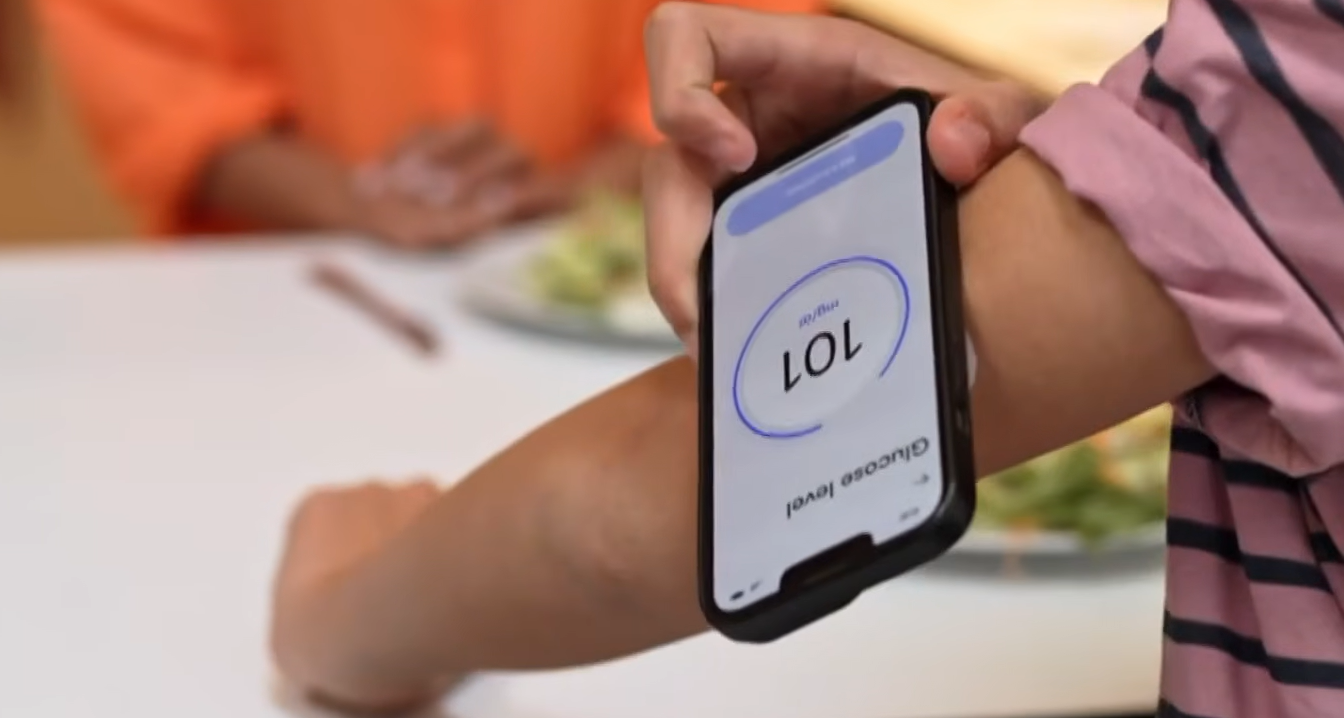
Gone are the days when checking your blood sugar meant pricking your finger multiple times a day and manually logging numbers in a notebook. Today, a small wearable sensor on your arm can stream real-time glucose data to your phone every five minutes, an AI-powered app can predict how your next meal will spike your blood sugar, and a smartwatch can alert you before a dangerous low even hits. Whether you have been diagnosed with Type 1 or Type 2 diabetes, are in a pre-diabetic range, or simply want to understand how your body responds to food and exercise, there is a tool built for you in 2025. This guide covers every major category so you can make the most informed decision for your health.
How Blood Sugar Tracking Apps and Devices Work
Before diving into specific products, it helps to understand the technology behind them. Most blood sugar tracking solutions fall into one of three categories: traditional glucometers, continuous glucose monitors, and app-based metabolic platforms.
A traditional glucometer works by drawing a small drop of blood from your fingertip and analyzing it with a test strip. It gives you a single glucose reading at that moment in time. While reliable and affordable, these devices are reactive rather than proactive — they tell you where your blood sugar is, not where it is heading.
Continuous glucose monitors, commonly called CGMs, represent a significant leap forward. A small sensor is inserted just beneath the skin, typically on the upper arm or abdomen, and measures glucose levels in the interstitial fluid throughout the day and night. The sensor communicates wirelessly with a receiver or smartphone app, giving you a continuous graph of your glucose trends rather than isolated snapshots. Most modern CGMs update readings every one to five minutes and can alert you when levels rise or fall outside your target range.
App-based platforms work in partnership with CGM hardware or, in some cases, with wearables that estimate glucose using optical sensors. These apps take raw glucose data and layer on food logging, activity tracking, sleep data, and AI-generated insights to help you understand the “why” behind your readings. Some platforms are designed specifically for diabetes management, while others target the general wellness market.
What to Look for in a Blood Sugar Tracker
With dozens of options on the market, narrowing down the right choice starts with asking the right questions. Accuracy should be your first filter. Look for devices that have received FDA clearance or CE marking in Europe, as these have undergone rigorous clinical validation. A device’s MARD (mean absolute relative difference) score tells you how closely its readings match a lab-calibrated blood draw — anything under 10% is considered strong for a CGM.
Compatibility matters nearly as much as accuracy. Check whether the device pairs with your smartphone’s operating system, whether it integrates with Apple Health or Google Fit, and whether your endocrinologist or GP can access shared reports. Ease of use is particularly important if you are managing diabetes alongside other health conditions. Consider sensor wear time (how many days before you need to replace it), whether calibration finger sticks are required, and how intuitive the companion app actually is.
Cost is a real barrier for many users. CGM sensors, depending on the brand, range from roughly $35 to $90 per sensor, with each lasting between 10 and 15 days. Some are covered by insurance for people with diabetes; others are entirely out of pocket. App subscriptions for metabolic wellness platforms typically run $50 to $200 per month, which often includes the sensor hardware. Factor in total monthly cost, not just the sticker price of the device itself.
Best CGM Devices for Blood Sugar Tracking in 2025
Continuous glucose monitors represent the gold standard in blood sugar tracking, and the 2025 lineup from the major manufacturers is the most refined it has ever been.
Dexcom G7 remains the benchmark for people with diabetes who need clinical-grade accuracy. The G7 sensor is 60% smaller than its predecessor, the G6, and can be worn on the upper arm or abdomen for up to 10 days. It has a 30-minute warm-up time (down from two hours on earlier models), and its readings are cleared by the FDA for use in insulin dosing decisions without a confirmatory finger stick. The Dexcom G7 app displays a real-time glucose graph, trend arrows indicating the direction and rate of change, and customizable high and low alerts. It integrates natively with Apple Watch, Garmin devices, and compatible insulin pumps for closed-loop delivery systems. For those managing Type 1 diabetes or insulin-dependent Type 2 diabetes, it is the most trusted tool available. The sensor costs approximately $89 for a pack of three, and it is covered by most major insurance plans with a valid prescription.
Abbott FreeStyle Libre 3 is the thinnest CGM sensor on the market — roughly the size of two stacked pennies — and offers a compelling mix of accuracy, simplicity, and value. Unlike the Dexcom, the Libre 3 requires no separate receiver; it sends readings directly to the FreeStyle Libre 3 app on your phone every minute. The 14-day wear time is among the longest available, and the latest version has received FDA clearance for real-time alerts, closing the gap with Dexcom on safety features. For people with Type 2 diabetes who are not on insulin, the Libre 3 is often the preferred recommendation from physicians because of its ease of use and lower cost. It is also available over the counter in certain markets without a prescription.
Medtronic Guardian 4 is designed specifically for people using Medtronic’s MiniMed insulin pump systems. It serves as the sensor component of the MiniMed 780G, one of the most advanced automated insulin delivery systems on the market. The Guardian 4 requires no finger stick calibrations and communicates directly with the pump to adjust basal insulin delivery in real time. While it is not a standalone product for the general market, for insulin-pump users it represents the most seamlessly integrated closed-loop experience available in 2025.
Dexcom Stelo is worth a special mention as the first CGM cleared by the FDA specifically for adults without diabetes. Launched in 2024 and now widely available in 2025, Stelo is an over-the-counter device priced at around $99 for a two-pack of 15-day sensors. It does not include the urgent low glucose alerts found on prescription CGMs (since it is not designed for clinical diabetes management), but it is an outstanding tool for pre-diabetics or metabolically curious individuals who want real, continuous data without navigating the prescription process.
Best Blood Sugar Monitoring Apps (No Prescription Needed)
Not every person interested in glucose tracking needs or qualifies for a prescription CGM. A growing category of app-based metabolic platforms has emerged to serve this audience, pairing over-the-counter or easy-access sensors with sophisticated software.
Levels Health is perhaps the most well-known metabolic health platform in the consumer space. Subscribers receive a CGM sensor (currently the Dexcom Stelo or Abbott Libre) along with access to the Levels app, which transforms raw glucose data into “stability scores” for meals, exercise sessions, and sleep periods. The app uses AI to identify patterns — for instance, flagging that your blood sugar consistently spikes after breakfast but remains flat after lunch — and offers personalized dietary suggestions based on your responses. A monthly membership costs approximately $199, which includes the sensor. Levels is popular among athletes, executives, and people looking to reverse pre-diabetes through lifestyle changes.
Nutrisense takes a similar approach but places greater emphasis on human coaching. Every Nutrisense subscriber is matched with a registered dietitian who reviews their glucose data weekly and provides individualized recommendations. The app itself includes meal logging with barcode scanning, exercise tracking, and a glucose trend timeline. Pricing starts at around $179 per month for the app and sensor combined, with lower rates on longer commitment plans. For users who want professional accountability alongside their data, Nutrisense offers a level of personal support that purely app-based platforms cannot match.
January AI differentiates itself with a predictive rather than reactive approach. Rather than simply showing you what your blood sugar did after you ate, January AI uses machine learning trained on millions of glucose response data points to predict how your blood sugar will respond to a meal before you eat it. Users can search for any food or recipe and see a projected glucose curve. When used alongside a CGM, January AI compares predictions against actual readings to continuously improve its model for your specific physiology. The app is free at the basic tier; premium features and CGM integration require a subscription starting at around $25 per month.
Signos targets the weight-loss market specifically, using real-time glucose data to help users identify the eating patterns and food combinations that work best for their metabolic type. The platform’s algorithm calculates a personalized calorie and macronutrient target based on your glucose response data and adjusts those targets as your metabolic health improves. At around $159 to $249 per month depending on the plan, it sits at the higher end of the consumer market, but users who have struggled with traditional calorie-counting approaches often report it provides a more intuitive path to sustainable weight management.
Best Smartwatches and Wearables That Track Blood Sugar
The idea of checking your blood sugar with a glance at your wrist has been a goal of the wearable technology industry for years. In 2025, the reality is nuanced — and worth understanding clearly before making a purchase decision.
Samsung Galaxy Watch Ultra and Galaxy Watch 7 include a feature called “Glucose Glance” in select markets, which uses optical sensors on the watch back to estimate blood glucose trends. Critically, Samsung’s implementation relies on correlation with a paired CGM rather than independently measuring glucose — the watch reads the CGM’s data and displays it on the wrist. This is a convenience feature, not a standalone glucose sensor. In South Korea and certain other markets, Samsung has partnered with local health authorities to test non-invasive glucose estimation, but those features are not yet cleared for global release due to accuracy requirements.
Apple Watch Series 10 does not yet include built-in glucose monitoring, but Apple continues to invest heavily in this area. What it does offer is excellent integration with CGM apps like Dexcom G7 and FreeStyle Libre through complications and real-time alerts on the watch face. If you use a CGM, wearing an Apple Watch means your readings are always one glance away, and urgent alerts vibrate on your wrist even when your phone is in another room.
Garmin smartwatches, particularly the Fenix 8 and Forerunner 965, offer Dexcom CGM integration through Garmin Connect IQ. For athletes tracking performance, seeing glucose trends alongside heart rate, pace, and training load in one interface is a genuinely powerful experience. Garmin devices are especially popular among endurance athletes managing Type 1 diabetes, for whom low glucose during training is a real and serious risk.
Several startups, including Movano Health with its Evie Ring and Know Labs with its bio-radio technology, are actively working on non-invasive glucose sensing wearables that do not require a subcutaneous sensor. These devices remain in clinical validation phases as of 2025 and have not yet received FDA clearance for glucose monitoring claims. They represent the next frontier but are not ready for reliable everyday use.
Blood Sugar Tracker Comparison: Apps vs CGMs vs Smartwatches
Choosing the right tool depends entirely on why you want to track blood sugar in the first place. The table below offers a practical comparison across the three main categories.
| Feature | CGM Devices | Metabolic Apps | Smartwatch Integration |
|---|---|---|---|
| Accuracy | Clinical-grade (FDA cleared) | Dependent on paired sensor | Display only — no independent sensing |
| Real-time data | Yes (every 1–5 min) | Yes (via CGM) | Yes (via paired CGM) |
| Requires sensor | Yes (inserted under skin) | Yes (OTC or Rx CGM) | No (or pairs with CGM) |
| Prescription needed | Sometimes (Libre 3 & Stelo are OTC) | No | No |
| Monthly cost | $70–$200 (sensor only) | $25–$250 (app + sensor) | $0 (app free, watch cost separate) |
| Best for | Diabetes management | Metabolic wellness, weight loss | Convenience, athlete performance |
| Insurance coverage | Often covered for diabetics | Rarely covered | Not applicable |
For anyone with a clinical diabetes diagnosis, a medically cleared CGM like the Dexcom G7 or FreeStyle Libre 3 is the right foundation. Metabolic apps are best suited to people without diabetes who want to use glucose data as one signal among many for lifestyle optimization. Smartwatch integration is a convenience layer, not a replacement for an actual sensor.
Best Blood Sugar Trackers for Specific Needs
Different users have genuinely different requirements, and the “best” tracker varies depending on your situation.
For people with Type 1 diabetes, the priority is clinical accuracy and integration with insulin delivery systems. The Dexcom G7 paired with a compatible insulin pump — or used within a closed-loop system like the Omnipod 5 — provides the most comprehensive automated management. Alerts and alarms are non-negotiable, and the ability to share data with caregivers in real time is often critical.
For people with Type 2 diabetes, the FreeStyle Libre 3 strikes the best balance of accuracy, ease of use, and cost. Many Type 2 users are not on insulin and do not need the advanced pump integrations offered by Dexcom. The Libre’s 14-day wear, straightforward app, and increasingly available OTC status in certain regions make it the practical choice.
For pre-diabetics looking to arrest their progression, the Dexcom Stelo or the FreeStyle Libre 3 paired with a platform like Levels or Nutrisense offers a powerful combination of data and coaching to drive behavioral change. Studies show that real-time feedback on glucose responses to specific foods produces more durable dietary changes than generic nutritional advice alone.
For athletes and biohackers, continuous glucose data has become a performance tool as much as a health tool. Seeing how different carbohydrate sources affect glucose before, during, and after training helps endurance athletes optimize fueling strategies and avoid bonking. Levels Health and January AI are particularly popular in this segment for their detailed performance analytics.
Final Verdict: Which Blood Sugar Tracker Is Right for You?
The best blood sugar tracker is the one you will actually use consistently — and that means matching the technology to your specific needs, budget, and level of health engagement.
If you have diabetes and need clinical-grade monitoring, choose the Dexcom G7 for the most comprehensive feature set or the FreeStyle Libre 3 for an excellent balance of accuracy and simplicity. If you are pre-diabetic or metabolically curious and want professional coaching alongside your data, Nutrisense is the strongest all-in-one package. If you prefer a self-guided approach with AI-powered predictions, January AI offers exceptional value. And if you want a prescription-free entry point into continuous glucose monitoring, the Dexcom Stelo is the most accessible option available today.
Whatever tool you choose, remember that glucose data is information, not a diagnosis. Significant changes in your readings — persistent highs, frequent lows, or unusual patterns — should always be discussed with your doctor or a certified diabetes care specialist. These apps and devices are powerful partners in your health journey, but they work best alongside, not instead of, qualified medical guidance.
Frequently Asked Questions
What is the most accurate blood sugar tracking app in 2025?
Accuracy in blood sugar tracking is primarily determined by the sensor hardware, not the app itself. Among CGM-connected platforms, the Dexcom G7 consistently achieves the lowest MARD scores in independent studies, meaning its readings are closest to lab-calibrated blood glucose values. When paired with an app like Levels or the native Dexcom app, you get both clinical-grade sensor accuracy and actionable software insights. For non-CGM apps that use predictive modeling (like January AI), accuracy is measured differently — by how closely their predicted glucose curves match actual CGM readings.
Can smartwatches accurately measure blood sugar?
Not independently — at least not yet. No smartwatch currently available has received FDA clearance to independently measure blood glucose without a subcutaneous sensor. Devices like the Samsung Galaxy Watch Ultra display CGM data on the wrist for convenience, but the actual glucose measurement still comes from a separate inserted sensor. Non-invasive optical glucose sensing remains an active area of research, with several companies in clinical trials, but no product in this category has passed regulatory validation for glucose monitoring claims as of 2025.
Do I need a prescription for a CGM device?
It depends on the specific device and your country. In the United States, the Dexcom Stelo and Abbott FreeStyle Libre 2 Plus are available over the counter without a prescription, making them accessible to anyone who wants to monitor glucose for general wellness. The Dexcom G7 and FreeStyle Libre 3 (with full alert functionality) still require a prescription, as they are cleared for clinical diabetes management and insulin dosing. In other countries, prescription requirements vary; consult your local pharmacy or healthcare provider.
How much do blood sugar tracking apps cost per month?
Costs vary widely depending on what you need. The Dexcom and Abbott apps themselves are free; you pay only for the sensors (roughly $35–$90 per sensor). Metabolic wellness platforms that bundle the sensor with coaching and software range from about $99 to $250 per month. Standalone predictive apps like January AI start at around $25 per month at the premium tier. For people with a diabetes diagnosis, CGM sensors are often partially or fully covered by insurance, significantly reducing out-of-pocket costs.
Is continuous glucose monitoring safe for non-diabetics?
Yes, CGM use is generally considered safe for healthy adults without diabetes. The sensor insertion process is minimally invasive — a small filament sits just under the skin and is well tolerated by most users. The American Diabetes Association has noted that CGM use among non-diabetics can promote health awareness and behavioral change, though it cautions against over-interpreting normal glucose variability as pathological. If you have concerns about sensor insertion or are on blood-thinning medication, consult your doctor before starting.
What is a normal blood sugar level and how do apps track it?
For most adults without diabetes, fasting blood glucose should fall between 70 and 99 mg/dL (3.9–5.5 mmol/L), and post-meal peaks should generally stay below 140 mg/dL (7.8 mmol/L) two hours after eating. CGM apps track glucose continuously and display these values as a trend line, with colored zones indicating when readings are within, above, or below target range. Metabolic wellness platforms like Levels assign a “stability score” to each meal based on how high your glucose spiked and how quickly it returned to baseline, helping you identify which foods work best for your physiology.
Which blood sugar tracker works with Apple Health or Google Fit?
Most major CGM platforms offer integration with both ecosystems. The Dexcom G7 and Dexcom Stelo sync with Apple Health on iOS. The FreeStyle Libre 3 similarly integrates with Apple Health for iPhone users. On Android, both platforms support Google Fit integration, though the depth of data sharing (glucose readings vs. summary statistics only) varies by device and operating system version. Metabolic wellness apps like Levels, Nutrisense, and January AI also connect to Apple Health and Google Fit, pulling in activity, sleep, and heart rate data to give glucose readings richer context.
How often should I check my blood sugar with an app or device?
With a CGM, you do not need to “check” in the traditional sense — the device checks for you automatically every one to five minutes and displays a continuous graph. For people with diabetes, reviewing trend data before meals, before bed, and before exercise is recommended practice. For general wellness users, most metabolic health coaches suggest paying close attention to readings for the first two to four weeks while establishing a baseline, then checking in on patterns rather than individual data points. Obsessing over every minor fluctuation can cause unnecessary anxiety; glucose naturally varies throughout the day in response to stress, activity, sleep, and even temperature.